
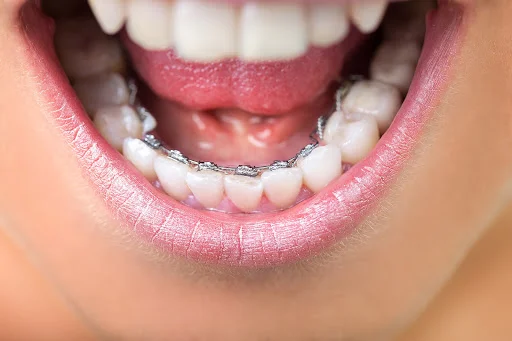
Alias Lingual Braces: A Completely Hidden Orthodontic Solution

When it comes to straightening your teeth, many patients want effective results without drawing attention to their orthodontic treatment. That’s where Alias lingual braces come in. Designed to sit behind your teeth instead of in front, this advanced system offers a truly hidden way to achieve a beautifully aligned smile.

At Dillon American Orthodontic Care, patients have access to modern orthodontic solutions that combine comfort, precision, and discretion. If you’ve been putting off treatment because you don’t want visible braces, Alias Lingual Braces may be the perfect option for you.

What Are Alias Lingual Braces?

Alias lingual braces are a type of fixed orthodontic appliance that attaches to the back (tongue side) of your teeth. Unlike traditional braces, which are bonded to the front of the teeth, these braces are completely hidden from view when you smile, talk, or laugh.

They work using the same proven orthodontic principles as traditional braces. Brackets and archwires gently apply pressure to guide teeth into proper alignment over time. The key difference is placement, because they’re positioned behind the teeth; no one can see them during daily interactions.

This makes Alias lingual braces an ideal solution for adults, professionals, and teens who want a discreet yet highly effective treatment option.

How Alias Lingual Braces Work

Your journey begins with a comprehensive consultation at Dillon American Orthodontic Care. During this visit, your orthodontist evaluates your teeth, bite alignment, and overall oral health to determine if lingual braces are the right fit.

Step 1: Digital Imaging and Custom Planning

Advanced imaging technology is used to create a precise model of your teeth. Because lingual braces must fit perfectly on the back surfaces of your teeth, customization is essential.

Step 2: Custom Bracket Placement

Each bracket is specifically designed for your teeth and carefully bonded to the inner surfaces. This ensures optimal comfort and accurate tooth movement.

Step 3: Gradual Alignment

Over time, archwires are adjusted during routine visits to continue guiding your teeth into their ideal positions.

Treatment time varies depending on your specific orthodontic needs, but results are comparable to traditional braces. The biggest advantage? Your orthodontic treatment stays completely hidden throughout the process.

Benefits of Alias Lingual Braces

Are Alias lingual braces a good choice

Choosing Alias lingual braces offers several important advantages:

1. Completely Hidden Treatment

The most obvious benefit is invisibility. Since the braces are placed behind your teeth, they remain out of sight.

2. Effective for Complex Cases

Lingual braces can treat many of the same orthodontic issues as traditional braces, including:

  • Crowded teeth
  • Gaps and spacing
  • Overbites and underbites
  • Crossbites

3. Custom-Fit Design

Each bracket is customized for your teeth, which enhances precision and treatment efficiency.

4. Confidence During Treatment

Many adults avoid orthodontic care because they worry about appearance. With Alias lingual braces, you can attend meetings, social events, and special occasions without visible brackets affecting your smile.

5. No Risk of Front-Tooth Staining

Because the brackets are bonded to the back of your teeth, the front surfaces remain free from bonding materials, helping preserve your smile’s appearance during treatment.

Pros and Cons of Alias Lingual Braces

Pros

  • Completely Invisible Treatment
    Lingual braces are placed behind the teeth, making them virtually undetectable when you smile or speak.
  • Highly Customized Fit
    Each bracket is tailored specifically to your teeth, allowing for precise and efficient tooth movement.
  • Effective for Complex Cases
    Lingual braces can treat a wide range of orthodontic issues, including crowding, spacing, and bite misalignment.
  • No Impact on Front Tooth Enamel
    Since brackets are bonded to the back of the teeth, the front surfaces remain untouched.

Cons

  • Adjustment Period for Speech
    Some patients experience temporary speech changes, such as a slight lisp, as they get used to the brackets.
  • Tongue Irritation Initially
    The placement of brackets may cause mild tongue discomfort during the first few weeks.
  • More Detailed Cleaning Required
    Cleaning around lingual braces can be more challenging and requires extra care to maintain good oral hygiene.
  • Higher Cost Compared to Traditional Braces
    Due to customization and specialized placement, lingual braces are often more expensive than standard options.


Who Is a Good Candidate?

Alias lingual braces are a great option for:

  • Working professionals
  • College students
  • Teens who want discretion
  • Adults who never had braces before
  • Patients with moderate to complex alignment issues 

However, not every orthodontic case is identical. A consultation at Dillon American Orthodontic Care will determine whether this hidden treatment is right for you.

Alias Lingual Braces vs Invisalign

Both Alias lingual braces and Invisalign offer discreet orthodontic treatment, but they differ in key ways.

  • Appearance: Lingual braces are completely hidden behind the teeth, while Invisalign aligners are clear but still slightly visible up close.
  • Removability: Invisalign is removable for eating and cleaning; lingual braces are fixed for consistent results.
  • Comfort: Invisalign is generally more comfortable, while lingual braces may require a short adjustment period.
  • Effectiveness: Lingual braces are often better for complex cases, while Invisalign works best for mild to moderate issues.

A consultation at Dillon American Orthodontic Care can help determine which option fits your needs best.

Cost of Alias Lingual Braces

The cost of Alias lingual braces typically ranges from $8,000 to $13,000 in the United States, depending on the complexity of your case and length of treatment.

Because lingual braces are fully customized and placed behind the teeth, they are considered one of the most advanced and premium orthodontic options available.

Average Cost Breakdown

  • Mild cases: $5,000 – $7,500
  • Moderate cases: $7,500 – $10,000
  • Complex cases: $10,000 – $13,000+

With Insurance

If your dental insurance includes orthodontic coverage, it may cover $1,500 to $3,000 of the total cost, significantly reducing your out-of-pocket expense.

How to Care for Lingual Braces

Proper care is essential to keep your lingual braces clean, comfortable, and effective throughout treatment. Because the brackets are placed behind your teeth, they require a bit more attention than traditional braces.

Brush Thoroughly After Every Meal

Use a soft-bristled toothbrush and fluoride toothpaste to clean around the brackets and wires. Angle the brush to reach the back surfaces of your teeth where the braces are attached.

Floss Daily

Flossing with lingual braces can be more challenging, so using floss threaders or water flossers can help remove food particles and plaque from hard-to-reach areas.

Use an Antibacterial Mouthwash

Rinsing daily helps reduce bacteria buildup and keeps your gums healthy during treatment.

Avoid Sticky and Hard Foods

Foods like caramel, gum, nuts, and hard candies can damage brackets or wires. Stick to softer foods and cut tougher items into smaller pieces.

Manage Initial Discomfort

It’s normal to experience tongue irritation at first. Orthodontic wax can help reduce friction while your mouth adjusts.

Attend Regular Check-Ups

Routine visits to your orthodontist ensure your braces are working properly and allow for adjustments to keep your treatment on track.

With consistent care and good oral hygiene, lingual braces can deliver excellent results while keeping your treatment discreet and effective.

What to Expect During Adjustment

It’s normal to experience a short adjustment period when first getting lingual braces. Because they sit near your tongue, you may notice:

  • Mild tongue irritation
  • Slight changes in speech
  • Minor soreness as teeth begin shifting 

Most patients adapt quickly within a few weeks. Your orthodontic team will provide guidance and tips to help you stay comfortable throughout treatment.

Maintaining good oral hygiene is essential. Brushing after meals and using flossing tools designed for braces will help keep your teeth and gums healthy during your orthodontic journey.

Other Orthodontic Services at Dillon American Orthodontic Care

In addition to Alias lingual braces, Dillon American Orthodontic Care provides comprehensive orthodontic solutions, serving patients in Landstuhl-Ramstein and surrounding communities.

Invisalign® Clear Aligners  

For patients seeking a removable option, Invisalign clear aligners offer nearly invisible treatment without brackets or wires. These custom-made trays gradually shift teeth into alignment and can be removed for eating and brushing.

Ceramic Braces  

Ceramic braces function like traditional metal braces but use tooth-colored or clear brackets that blend more naturally with your smile. They provide a less noticeable alternative while still delivering reliable results.

By offering multiple treatment options, Dillon American Orthodontic Care ensures every patient can choose a solution that matches their lifestyle, goals, and comfort level.

Frequently Asked Questions (FAQs)

1. How long does treatment with Alias lingual braces take?

Treatment time varies based on the complexity of your case, but most patients wear braces for 12 to 24 months.

2. Are Alias lingual braces more uncomfortable than traditional braces?

There may be an initial adjustment period, especially for your tongue. However, most patients adapt quickly and find the discomfort manageable.

3. Can adults get Alias lingual braces?

Absolutely. In fact, many adults choose this option because it keeps their orthodontic treatment hidden in professional and social settings.

4. Do lingual braces affect speech?

Some patients notice minor speech changes at first, but these typically resolve within a few weeks as your tongue adjusts.

5. Are Alias lingual braces more expensive?

Costs can vary depending on the complexity of your treatment. During your consultation, Dillon American Orthodontic Care will provide a personalized treatment plan and cost estimate.

Why Choose Dillon American Orthodontic Care?

Choosing the right orthodontic provider is just as important as selecting the right treatment. Dillon American Orthodontic Care combines advanced technology with personalized care to ensure optimal results.

Patients appreciate:

  • Customized treatment plans
  • Modern orthodontic solutions
  • A welcoming and supportive environment
  • Flexible options to fit different lifestyles 

Whether you choose Alias lingual braces, Invisalign, or ceramic braces, you’ll receive expert guidance every step of the way.

Schedule Your Consultation Today

If you’ve been waiting for the perfect time to straighten your smile discreetly, now is the time to explore Alias lingual braces at Dillon American Orthodontic Care.

Visit Dillon American Orthodontic Care to learn more about your options and schedule a consultation in Landstuhl-Ramstein, Germany. Our experienced team is ready to help you achieve a confident, beautifully aligned smile, without anyone knowing you’re wearing braces.

Take the first step today and discover how a completely hidden orthodontic solution can transform your smile and your confidence.

Invisalign for Teens: Benefits, Cost, and Treatment Timeline

Choosing orthodontic treatment for your teen is an important decision that can impact both their confidence and long-term oral health. Today, many families are turning to modern orthodontic solutions that fit better into busy teen lifestyles. One of the most popular options is Invisalign for teens, a clear aligner system explicitly designed to address common orthodontic issues during adolescence.

At Dillon American Orthodontic Care, families receive expert orthodontic guidance using advanced technology and personalized treatment plans. In this guide, we’ll break down how Invisalign works for teens, its key benefits, cost considerations, and what to expect during the treatment timeline.

What Is Invisalign for Teens?

Invisalign for teens is a clear aligner orthodontic system that straightens teeth without traditional metal brackets or wires. Instead, treatment uses a series of custom-made, removable aligners that gradually move teeth into proper alignment.

These aligners are made from smooth, medical-grade plastic and are nearly invisible when worn. The Invisalign set also includes special compliance indicators that fade over time, helping parents ensure that their teens are wearing the aligners as recommended.

This treatment is ideal for correcting issues such as:

  • Crooked or crowded teeth
  • Gaps between teeth
  • Overbites and underbites
  • Crossbites and mild bite alignment problems 

Dillon American Orthodontic Care evaluates each teen individually to determine whether Invisalign or another orthodontic option is the best fit.

invisalign for teens

Benefits of Invisalign for Teens

1. Discreet Appearance

One of the biggest advantages of Invisalign for teens is its subtle appearance. The clear aligners are far less noticeable than metal braces, allowing teens to smile confidently at school, social events, and in photos.

2. Removable for Eating and Activities

Unlike braces, Invisalign aligners can be removed during meals, sports, or special events. This means teens don’t have to avoid certain foods or worry about broken brackets during physical activities.

3. Easier Oral Hygiene

Because the aligners are removable, teens can brush and floss normally. This helps reduce the risk of plaque buildup, cavities, and gum issues that sometimes occur with traditional braces.

4. Improved Comfort

Invisalign aligners are smooth and custom-fitted, which minimizes irritation to the cheeks and gums. Most teens experience only mild pressure when switching to a new set of aligners.

5. Fewer Office Visits

In many cases, Invisalign requires fewer in-office adjustments than braces. This is especially helpful for families with busy schedules or those traveling from nearby communities.

Invisalign for Teens Treatment Timeline

The length of Invisalign treatment varies depending on the complexity of your teen’s orthodontic needs. On average, it takes 12 to 18 months, though some cases may be shorter or longer.

Step-by-Step Timeline

Initial Consultation
The process begins with a comprehensive orthodontic evaluation at Dillon American Orthodontic Care. Digital scans are taken to assess tooth alignment and bite issues.

Custom Treatment Plan
Using advanced 3D imaging, a customized treatment plan is created. This plan maps out how teeth will move at each stage and estimates the total treatment time.

Aligner Wear Phase
Your teen will wear each set of aligners for about one to two weeks before switching to the next set. Aligners should be worn 20–22 hours per day for optimal results.

Progress Checkups
Periodic check-ins allow the orthodontist to monitor progress and make adjustments if needed.

Final Results and Retainers
Once treatment is complete, retainers are provided to help maintain the new smile and prevent teeth from shifting back.

Cost of Invisalign for Teens

The cost depends on factors such as treatment length, complexity, and overall orthodontic goals. In most cases, Invisalign costs are comparable to traditional braces.

At Dillon American Orthodontic Care, families benefit from:

  • Transparent pricing
  • Flexible payment plans
  • Insurance coordination when applicable

During the initial consultation, the team provides a clear breakdown of costs and financing options so families can make informed decisions without surprises.

Orthodontic Services Offered by Dillon American Orthodontic Care

Dillon American Orthodontic Care specializes in clear aligner solutions designed to meet the needs of both teens and adults. Invisalign treatments are carefully customized to deliver effective results while fitting seamlessly into everyday life.

Invisalign for Teens

This is designed to address common orthodontic concerns during adolescence while offering a more comfortable and discreet alternative to traditional braces. The clear, removable aligners allow teens to maintain good oral hygiene, enjoy their favorite foods, and feel confident throughout treatment.

Invisalign for Adults

For adults who want to straighten their teeth without the look of metal braces, Dillon American Orthodontic Care offers Invisalign for adults. Treatment plans are tailored to each patient’s goals, whether correcting mild crowding or improving overall bite alignment.

All Invisalign services are provided through Dillon American Orthodontic Care, with a strong focus on personalized treatment planning, advanced technology, and long-term smile results.

Frequently Asked Questions About Invisalign for Teens

1. Is Invisalign effective for teenagers?

Yes. Invisalign is highly effective for many common orthodontic issues when aligners are worn as directed.

2. How often do teens need to wear their aligners?

Aligners should be worn 20–22 hours per day, removing them only for eating, drinking anything other than water, and oral hygiene.

3. Can teens lose their aligners?

While it’s possible, Invisalign for teens includes features designed to track wear. Replacement aligners can be provided if one is lost.

4. Does Invisalign hurt?

Most teens experience mild pressure when switching to a new aligner, but discomfort is generally minimal and temporary.

5. Will Invisalign affect speech?

Some teens notice slight changes in speech at first, but this usually resolves within a few days as they adjust.

Why Parents Choose Dillon American Orthodontic Care

Families trust Dillon American Orthodontic Care for its:

  • Experienced orthodontic professionals
  • Advanced digital technology
  • Teen-friendly treatment options
  • Personalized care plans
  • Convenient locations serving military and civilian families

Every teen’s smile is unique, and treatment is designed to reflect that individuality.

Start Your Teen’s Smile Journey Today

If you’re considering Invisalign for teens, now is the perfect time to take the next step. The experienced team at Dillon American Orthodontic Care is ready to help your teen achieve a healthier, more confident smile with modern orthodontic solutions.

Schedule a consultation today to learn whether Invisalign is the right choice for your teen and receive a personalized treatment plan tailored to their needs. A confident smile starts here.

Types of Braces: Choosing the Right One for Correcting Your Bite

types of braces
Bite problems are not just about appearance. They directly affect chewing, speech, jaw comfort, and long-term dental health. Choosing the right orthodontic treatment requires clinical evaluation, experience, and a clear understanding of available options.

At Dillon Orthodontics, patients receive evidence-based orthodontic care guided by Dr. Michael Dillon, who has extensive experience treating both children and adults with modern and traditional orthodontic systems. Whether the concern is early intervention, adult treatment, or Invisalign, the goal is always the same: healthy alignment and a functional bite.

This guide explains the types of braces, how they work, and how to choose the right option for correcting bite issues—clearly, safely, and accurately.

Why Bite Problems Should Never Be Ignored

A misaligned bite (malocclusion) can cause:

  • Uneven tooth wear
  • Jaw pain and headaches
  • Difficulty chewing or speaking
  • Gum recession
  • Increased risk of cavities
  • Temporomandibular joint (TMJ)–related disorders

Orthodontic treatment addresses the root cause, not just the symptoms. Early diagnosis allows for simpler and more stable correction.

Understanding Common Bite Problems

Before selecting from different types of braces, it is important to understand the bite issue being treated.

Common bite conditions include:

  • Overbite – Upper teeth excessively overlap lower teeth
  • Underbite – Lower teeth extend beyond upper teeth
  • Crossbite – Upper and lower teeth do not align properly
  • Open bite – Front teeth do not touch when biting
  • Crowding or spacing – Teeth lack proper space or alignment

Each condition requires a tailored treatment plan.

Types of Braces


There is no single “best” option for everyone. The right choice depends on age, bite complexity, lifestyle, and oral health.

1. Metal Braces (Traditional Braces)

Metal braces remain one of the most reliable bite correction options available.

How they work:
Brackets are bonded to teeth and connected with an archwire that gradually moves teeth into proper position.

Best for:

  • Complex bite problems
  • Certain jaw-related bite discrepancies
  • Early-treatment and teen orthodontics

Advantages:

  • Highly precise control
  • Effective for all bite types
  • Cost-effective

2. Ceramic Braces

Ceramic Braces

Ceramic braces function like metal braces but use tooth-colored or clear brackets.

Best for:

  • Patients seeking less visible braces
  • Adult orthodontic treatment

Considerations:

  • Slightly more fragile than metal
  • Requires excellent oral hygiene

Ceramic braces are commonly chosen for braces for bite problems when aesthetics are a priority.

3. Self-Ligating Braces

These braces use a built-in clip instead of elastic ties.

Benefits include:

  • Less friction
  • Potentially shorter appointments
  • Easier cleaning

They are effective for many teeth alignment treatment plans, especially mild to moderate cases.

4. Lingual Braces

Lingual braces are placed on the inner surface of teeth, making them nearly invisible.

Best for:

  • Adults who want discreet treatment
  • Patients comfortable with longer adjustment periods

Limitations:

  • More complex to place
  • Higher cost
  • Speech adjustment initially

5. Invisalign (Clear Aligners)

Invisalign uses custom-made, removable clear aligners.

Ideal for:

  • Adults and teens with mild to moderate bite issues
  • Patients wanting flexibility and aesthetics

Advantages:

  • Nearly invisible
  • Removable for eating and cleaning
  • Comfortable

At Dillon Orthodontics, Invisalign is carefully planned using digital scans to support predictable outcomes in selected bite cases.

Bite Correction Options for Children (Early Treatment)

Early orthodontic treatment can guide jaw growth and help minimize the severity of future orthodontic issues.

Early-treatment benefits include:

  • Correcting jaw imbalances
  • Reducing need for tooth extractions
  • Shortening overall treatment time

Appliances such as expanders or partial braces may be used before permanent teeth fully erupt. These proactive bite correction options are often simpler and more stable.

Braces for Bite Problems in Adults

Adult orthodontics is increasingly common. Age is not a limitation.

Adult patients benefit from:

  • Modern, discreet braces
  • Predictable outcomes
  • Improved oral health

Whether metal braces, ceramic braces, or Invisalign, braces for bite problems in adults can significantly improve comfort and function when properly planned.

Overbite and Underbite Solutions Explained

Overbite Correction

Treatment may involve:

  • Braces with vertical elastics
  • Invisalign with precision attachments
  • Growth modification in younger patients

Underbite Correction

Depending on severity:

  • Orthodontic camouflage with braces
  • Functional appliances (in growing patients)
  • Combined orthodontic and surgical planning in severe cases

Effective overbite and underbite solutions depend on accurate diagnosis and long-term stability planning.

How Braces Fix Bite Issues Step by Step

Understanding how braces fix bite issues helps patients feel confident in treatment.

  1. Diagnosis and digital imaging
  2. Customized treatment plan
  3. Controlled tooth movement using wires or aligners
  4. Jaw alignment adjustments with elastics or appliances
  5. Retention phase to maintain results

Each stage is carefully monitored to ensure safe and effective progress.

Choosing the Right Orthodontic Treatment

Factors considered at Dillon Orthodontics include:

  • Bite severity
  • Age and growth stage
  • Oral hygiene
  • Lifestyle and preferences
  • Long-term stability

There is no shortcut to quality orthodontic care. Every orthodontic treatment plan must be personalized.

Why Choose Dillon Orthodontics

Located at Weiherstraße 1, 66849 Landstuhl, Germany, Dillon Orthodontics provides orthodontic care focused on:

  • Early-treatment and adult-treatment expertise
  • Advanced Invisalign planning
  • Evidence-based orthodontic protocols
  • Patient-first care philosophy

Under the guidance of Dr. Michael Dillon, treatment focuses on health, function, and long-term success—not just straight teeth.

Final Thoughts

Choosing among the types of braces is not about trends—it’s about what works best for your bite, your health, and your long-term comfort. With proper diagnosis and expert planning, orthodontic treatment can significantly improve quality of life at any age.

If you are considering orthodontic care, a professional evaluation is the first step toward a healthier, more balanced smile.

Schedule a consultation to explore safe, effective, and personalized bite correction options.

Frequently Asked Questions

1. What are the most effective types of braces for bite correction?

Metal braces remain the most versatile, but Invisalign and ceramic braces are effective for many cases when properly planned.

2. Can Invisalign fix serious bite problems?

Invisalign can treat many mild to moderate bite issues. Severe cases may require traditional braces or combined approaches.

3. Is early orthodontic treatment really necessary?

Yes. Early treatment can prevent complex issues later and guide proper jaw development.

4. How long does bite correction usually take?

Treatment time varies but typically ranges from 12 to 24 months depending on severity.

5. Are braces painful?

Mild pressure is normal during adjustments. Pain is temporary and manageable.

Why Early Orthodontic Evaluation Matters for Your Child

Early orthodontic evaluation is one of the most important steps parents can take to support their child’s long-term oral health. According to the American Association of Orthodontists, children should have their first orthodontic checkup by age 7. At this age, the jaw and teeth are still developing, making it easier to spot early orthodontic concerns before they become more complex.

At Dillon Orthodontics in Landstuhl, Germany, Dr. Michael Dillon has extensive experience evaluating growing smiles and helping families make informed decisions about care. A timely evaluation can help identify issues early, guide jaw growth, and reduce the need for more invasive treatments in the future.

What Is an Early Orthodontic Evaluation?

An early orthodontic evaluation is a professional assessment that reviews how a child’s teeth, bite, and jaw are developing. Unlike a regular dental checkup, this evaluation focuses on alignment, spacing, and the function of the bite.

During this visit, the orthodontist may:

  • Review medical and dental history
  • Examine baby and permanent teeth
  • Take X-rays or digital scans
  • Evaluate jaw alignment and bite 
  • Identify potential growth and development issues

This appointment doesn’t always lead to treatment right away. In many cases, the orthodontist will recommend a “growth monitoring” schedule to track changes over time. Children’s Orthodontic Checkup: Why Age 7 Matters 

Parents often ask: Why age 7? Is that too early?

Early Orthodontic Evaluation

At age 7, most children have a mix of baby teeth and permanent teeth. This combination makes it easier to dete

ct irregularities in the jaw, bite, or tooth eruption patterns.

An early checkup can help identify:

  • Crowding or spacing issues
  • Crossbites, overbites, or underbites
  • Jaw growth imbalances
  • Missing or extra teeth
  • Habits affecting development (thumb sucking, tongue thrusting)

Even if everything appears normal, having a trained orthodontist evaluate jaw and tooth development provides peace of mind.

Benefits of Early Orthodontic Treatment

Not every child will need early treatment, but for those who do, the advantages can be significant.

Key benefits include:

  • Guiding jaw growth to improve bite and facial balance
  • Reducing crowding and creating space for permanent teeth
  • Lowering the risk of future tooth extraction
  • Helping correct harmful habits early
  • Improving chewing and speech function
  • Boosting confidence in a child’s growing years

Early care helps avoid more complex interventions later in life—making orthodontic treatment more efficient and comfortable.

Kids’ Orthodontic Evaluation Age: Is Earlier Ever Necessary?

While age 7 is the recommended starting point, some children may benefit from even earlier evaluation if they show signs such as:

  • Difficulty chewing
  • Speech issues
  • Breathing through the mouth
  • Premature loss of baby teeth
  • Misaligned or visibly shifting jaw
  • Thumb sucking beyond age 4–5

If parents notice these concerns, scheduling a consultation sooner is beneficial.

Preventive Orthodontic Care for Kids

Preventive orthodontics focuses on addressing minor issues before they become major ones. This may include:

  • Space maintainers to save room for incoming teeth
  • Guidance appliances to support jaw growth
  • Habit-breaking appliances (for thumb sucking or tongue thrusting)

This phase of treatment is often short and designed to set a healthy foundation for future orthodontic care, including braces or aligners in the teen years.

Common Orthodontic Issues Found During Early Evaluation

Some orthodontic concerns are easier and more effective to treat during childhood. These can include:

  • Severe crowding
  • Crossbite
  • Underbite
  • Overbite
  • Impacted teeth
  • Growth discrepancies between the upper and lower jaw

Identifying these conditions early allows the orthodontist to guide growth instead of reacting later—often avoiding surgery or tooth extraction.

What Parents Can Expect at Dillon Orthodontics

At Dillon Orthodontics, the goal is to ensure children feel relaxed and confident during their visit.

A typical appointment includes:

  1. Warm welcome and medical history review
  2. Gentle clinical examination
  3. X-ray or digital scan if needed
  4. Expert explanation of findings
  5. Personalized recommendations — treatment or growth monitoring

Parents receive clear, honest guidance without pressure.

Orthodontist for Children Near Me: Why Choose Dr. Michael Dillon?

Families in Landstuhl-Ramstein, Germany, trust Dr. Michael Dillon because of his:

  • Specialized expertise in children’s orthodontics
  • Modern technology and treatment methods
  • Transparent communication with parents
  • Commitment to gentle, effective care
  • Experience treating a wide range of developing smiles

His approach focuses on what’s best for long-term oral health—not unnecessary early treatment.

Does an Early Evaluation Mean Braces Right Away?

Not always. Most children only need follow-up visits every 6–12 months to monitor growth. Braces or aligners are typically recommended later when more adult teeth are present.

However, if treatment is needed early, it can significantly improve comfort and reduce effort later.

Ready to Schedule Your Child’s Evaluation?

Starting early plays an important role in helping your child grow with a confident and healthy smile. An early orthodontic check gives parents clarity, reassurance, and a chance to take preventive steps before problems become bigger. Schedule an appointment today to begin the journey toward better oral health. 

How Clear Aligners Help Fix Crowded Teeth

Crowded teeth are one of the most common orthodontic concerns that people face. When teeth overlap, twist, or compete for space, they can be challenging to clean and may affect your confidence when smiling. Fortunately, clear aligners have revolutionized orthodontic treatment by offering a discreet, comfortable, and effective way to straighten crowded teeth.

At Dillon American Orthodontic Care, we specialize in providing advanced orthodontic solutions, including clear aligners, to help patients achieve beautiful, healthy smiles without the inconvenience of traditional metal braces.

Understanding Crowded Teeth

Crowded teeth occur when there isn’t enough room in the jaw to accommodate all the teeth properly. This lack of space causes teeth to overlap or rotate out of alignment. Common causes of crowding include:

  • Genetics, like inheriting a small jaw or large teeth
  • Early or late loss of baby teeth
  • Prolonged thumb sucking or tongue thrusting habits
  • Poor dental hygiene can lead to the shifting of teeth
  • Natural changes as we age

Crowding not only affects appearance but can also make it more difficult to brush and floss effectively, leading to tooth decay, gum disease, and uneven tooth wear.

How Clear Aligners Work

Clear aligners are a series of custom-made, removable trays designed to move your teeth gradually into their correct positions. Each set of aligners is worn for about two weeks before switching to the next one in the series, bringing you one step closer to your ideal smile.

At Dillon American Orthodontic Care, our orthodontists use precise digital scans and 3D imaging to plan each stage of your treatment. This ensures accurate tooth movement and a predictable outcome.

A set of clear aligners

Why Clear Aligners Are Ideal for Crowded Teeth

1. Customized Precision

Each aligner is custom-fitted to your mouth. Using 3D technology, your orthodontist maps out your entire treatment plan, showing how each tooth will move until your smile is perfectly aligned.

2. Gradual and Controlled Movement

Clear aligners apply gentle, consistent pressure to reposition crowded teeth without causing pain or discomfort. This allows your teeth to move efficiently while protecting surrounding bone and gum tissue.

3. Better Oral Hygiene

Since clear aligners are removable, you can brush and floss normally, something that’s often difficult with braces. This helps prevent cavities and plaque buildup, which are common issues for people with crowded teeth.

4. Discreet Appearance

Made of transparent plastic, clear aligners are nearly invisible. You can confidently smile, talk, or take photos without feeling self-conscious about your orthodontic treatment.

5. Comfortable and Convenient

No brackets or wires mean fewer office visits, less irritation, and no food restrictions. You can remove your aligners when eating, brushing, or for special occasions.

The Treatment Process at Dillon American Orthodontic Care

Step 1: Comprehensive Consultation

Your journey starts with a detailed evaluation at Dillon American Orthodontic Care. Our orthodontist examines your bite, teeth alignment, and overall oral health to determine if clear aligners are right for you.

Step 2: Digital Scans & Custom Treatment Plan

We use advanced 3D imaging technology to take precise scans of your teeth. These digital impressions help us design a personalized treatment plan that predicts your final results before you even begin.

Step 3: Receiving Your Aligners

Once your aligners are ready, you’ll receive your first few sets. Each aligner should be worn for about 20–22 hours a day, changing to the next one every one to two weeks.

Step 4: Progress Monitoring

You’ll visit our office periodically so we can ensure your teeth are moving as planned. Our team provides ongoing support to make your treatment comfortable and successful.

Step 5: Retainers and Maintenance

After your treatment, we provide custom retainers to maintain your new smile and prevent teeth from shifting back.

Benefits Beyond Straight Teeth

Straightening crowded teeth isn’t just about aesthetics; it also benefits your oral health and self-confidence. With properly aligned teeth, you can:

  • Improve bite function and reduce jaw strain
  • Prevent uneven wear and chipping
  • Enhance speech clarity
  • Boost self-esteem with a balanced, attractive smile

Related Orthodontic Services

At Dillon American Orthodontic Care, we offer a wide range of orthodontic treatments designed to help every patient achieve their best smile:

1. Traditional Metal Braces

For patients with more complex cases, traditional braces offer precise tooth control and proven results. They’re highly effective for correcting severe crowding, bite issues, and jaw misalignment.

2. Invisalign® Clear Aligners

A popular choice among teens and adults, Invisalign aligners provide a comfortable, removable, and nearly invisible alternative to braces. Our orthodontists are certified Invisalign providers and create tailored plans for effective, predictable results.

FAQs About Clear Aligners

1. Are clear aligners as effective as braces for crowded teeth?

Yes, for mild to moderate crowding, clear aligners can be just as effective as traditional braces. For more complex cases, your orthodontist may recommend a combination of aligners and other treatments.

2. How long does clear aligner treatment take?

Treatment time varies depending on the severity of your crowding. Most patients complete their treatment in 6 to 18 months, but your orthodontist will give you a personalized timeline.

3. Do clear aligners hurt?

You may feel slight pressure when starting a new set of aligners, but it’s usually mild and temporary. This pressure means your teeth are moving as planned.

4. How often should I wear my aligners?

For the best results, wear your aligners 20 to 22 hours per day, removing them only to eat, brush, or floss.

5. Are clear aligners suitable for teens?

Absolutely. Clear aligners are an excellent option for responsible teens who prefer a discreet treatment. Many aligner systems even include compliance indicators to help monitor wear time.

Start Your Smile Transformation Today

If crowded teeth have been holding you back, now is the perfect time to take the first step toward a confident, healthy smile. At Dillon American Orthodontic Care, our experienced orthodontists combine advanced technology with personalized care to deliver stunning results in a comfortable and discreet manner.

Schedule your free consultation today and discover how clear aligners can transform your smile.

Hidden Braces: How Lingual Braces Work Behind the Teeth

When it comes to orthodontic treatment, many people hesitate because of how traditional braces can affect appearance. For professionals, teens, or anyone self-conscious about their smile, the idea of visible wires and brackets can be discouraging. But what if there was a way to straighten teeth without anyone noticing? They are the hidden braces behind teeth, also known as lingual braces.

This discreet orthodontic solution is growing in popularity among patients who want the benefits of braces without the spotlight. In this article, we’ll explore what lingual braces are, how they work, their pros and cons, and why they may be the right choice for you.

What Are Lingual Braces?

Lingual Braces in Landstuhl, Germany

Lingual braces are orthodontic appliances designed to be placed on the back, or “lingual,” side of your teeth, right where your tongue rests. Because of this placement, they remain invisible from the outside, even when you smile or speak.

Unlike removable aligners, lingual braces are fixed appliances. They work continuously, applying gentle pressure to guide teeth into better alignment. Each bracket is customized to fit the unique curves of your teeth, ensuring a more precise treatment plan.


Why Patients Consider Hidden Braces Behind Teeth

People choose lingual braces for a variety of reasons, but the biggest is discretion. Adults in professional settings often feel more confident knowing their treatment is completely unseen. Teens and young adults, too, appreciate the ability to undergo orthodontic care without visible metal brackets.

Beyond aesthetics, lingual braces are equally effective. They can treat:

  • Crowded teeth
  • Gaps between teeth
  • Overbites, underbites, and crossbites
  • More complex alignment issues that aligners alone may not address

In short, lingual braces give patients the best of both worlds: effective results with no visible treatment.

How Do Lingual Braces Work?

Though they may seem futuristic, lingual braces function much like traditional braces. The key difference lies in their positioning and customization. Here’s how the process usually unfolds at Dillon American Orthodontic Care in Landstuhl-Ramstein, Germany:

  1. Initial Consultation
    The orthodontist evaluates your bite and discusses treatment options. Digital scans or impressions are taken to design a custom set of brackets.
  2. Custom Fabrication
    Each bracket is tailor-made to match the back surface of your teeth, ensuring comfort and effectiveness.
  3. Bonding & Adjustment
    Once the braces are attached, wires are threaded through. These wires are periodically adjusted to gently guide teeth into alignment.
  4. Ongoing Progress
    Over time, teeth shift into their ideal positions. While the duration of treatment varies, many patients finish within the same timeframe as traditional braces

Advantages of Lingual Braces

Patients often highlight these benefits:

  • Discretion: The most obvious perk is invisibility.
  • Comprehensive Treatment: Unlike clear aligners, lingual braces can manage even complex cases.
  • No Lifestyle Change in Smiling: You can speak, laugh, and take photos with confidence.
  • Custom Fit: Each appliance is designed to match your dental structure, which can increase precision. 

Things to Keep in Mind When Getting Lingual Braces

No treatment is perfect, and lingual braces come with considerations:

  • Speech Adjustment: Some patients notice a slight lisp at first. This usually improves within weeks.
  • Oral Hygiene: Cleaning requires extra attention since brackets are harder to reach.
  • Tongue Discomfort: The tongue may feel sore initially, but protective wax or rinses help ease the transition.
  • Cost: Because they’re custom-made, lingual braces often cost more than other options.

Still, most patients agree the discreet nature makes these challenges worthwhile.

Our Orthodontic Services at Dillon American Orthodontic Care

At Dillon American Orthodontic Care, patients benefit from a variety of treatments tailored to their needs. Three standout services include:

Lingual Braces (Hidden Braces)

Placed on the back of the teeth, lingual braces offer the same effectiveness as traditional braces but remain completely invisible from the front. They are custom-made for each patient, making them a great option for those seeking discreet treatment.

Invisalign® Clear Aligners

Invisalign is a nearly invisible option for those who prefer removable aligners. They allow you to eat, drink, and brush without restrictions, making them ideal for busy lifestyles. Patients also enjoy fewer office visits since aligners are swapped at home.

Traditional & Ceramic Braces

For patients with more significant orthodontic issues, traditional braces remain highly effective. Ceramic braces, meanwhile, offer a less noticeable alternative by blending in with natural tooth color. Both types continue to deliver reliable results and are suitable for all ages.

With a full suite of services, patients in Landstuhl-Ramstein have access to comprehensive orthodontic care designed to fit their lifestyle and goals.

FAQs About Lingual Braces

  1. Are lingual braces more expensive than other braces?
    Yes, they usually cost more because of the customization involved. However, many patients see the investment as worthwhile for the added privacy.
  2. How long does treatment with lingual braces take?
    The duration is similar to traditional braces, typically ranging from 18 to 36 months, depending on the case.
  3. Do lingual braces hurt more than regular braces?
    They may cause some tongue irritation at first, but discomfort generally subsides with time and adjustments.
  4. Will lingual braces affect my speech permanently?
    No. Most patients adjust within a few weeks, and any lisp or speech difficulty usually disappears.
  5. Can lingual braces treat every orthodontic case?
    They are effective for many cases, but extremely complex issues may require an alternative treatment plan. Your orthodontist will recommend the best option.

The Growing Popularity of Braces Behind the Teeth

The demand for subtle, effective orthodontic solutions continues to rise. Lingual braces meet that demand by offering a path to straight teeth without the self-consciousness of visible appliances. For working professionals, teens, or anyone who wants to keep treatment private, they’re an ideal solution.

At Dillon American Orthodontic Care in Landstuhl-Ramstein, Germany, patients receive expert guidance and personalized treatment, ensuring results that last a lifetime.

Straighten Your Teeth Discreetly With Dillon American Orthodontic Care

Your dream smile doesn’t need to come with visible brackets. Whether you’re interested in Invisalign, ceramic braces, or hidden braces behind teeth, the team at Dillon American Orthodontic Care is here to help. Schedule your consultation today and take the first step toward a healthier, more confident smile, without anyone even knowing you’re in treatment.