
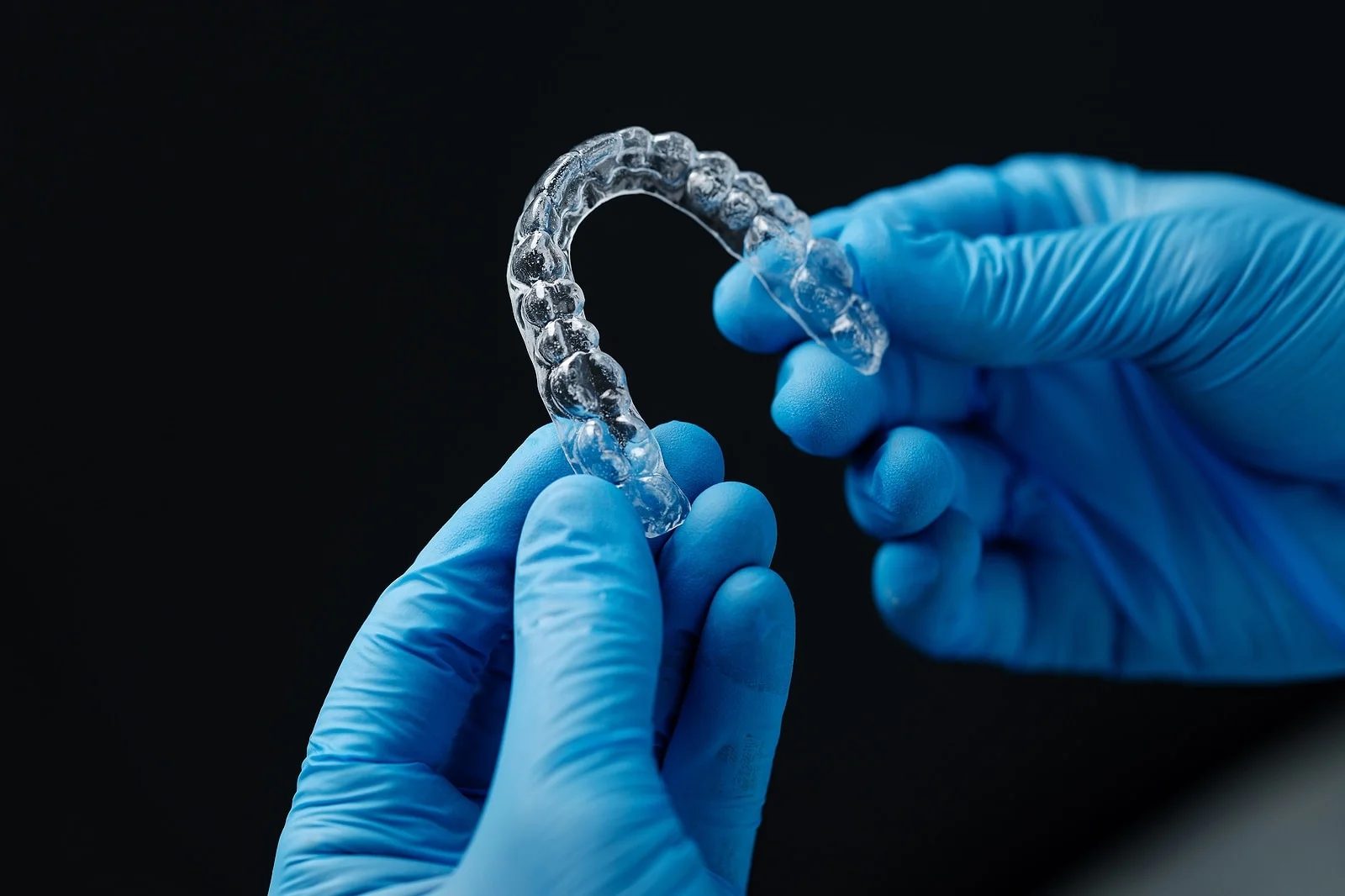
Adult Orthodontic Treatment: It’s Never Too Late to Straighten Your Smile

Many adults believe orthodontic care is only for teenagers, but that couldn’t be further from the truth. Today, adult orthodontic treatment is more common than ever, thanks to modern technology, discreet treatment options, and a growing awareness of how straight teeth impact long-term oral health. Whether you missed out on braces as a teen or your teeth have shifted over time, it’s never too late to achieve the confident, healthy smile you deserve.

At Dillon American Orthodontic Care, adults of all ages receive personalized orthodontic solutions designed to fit busy lifestyles while delivering lasting results. With advanced techniques, flexible treatment options, and a patient-centered approach, the team makes orthodontic care comfortable, effective, and rewarding for adult patients.

Why More Adults Are Choosing Orthodontic Treatment

Adult orthodontic treatment goes far beyond aesthetics. While a straighter smile can dramatically improve confidence, the health benefits are just as important. Crooked or misaligned teeth can create hard-to-clean areas that trap plaque and bacteria, increasing the risk of cavities, gum disease, and enamel wear.

Orthodontic care helps address these issues by improving alignment and bite function. Adults who invest in orthodontic treatment often experience:

  • Easier brushing and flossing
  • Reduced risk of gum disease and tooth decay
  • Improved bite alignment and jaw comfort
  • Less uneven wear on teeth
  • Increased confidence in personal and professional settings

At Dillon American Orthodontic Care, treatment plans are tailored to adult needs, ensuring both functional improvement and aesthetic results that last.

Adult orthodontic treatment

Common Reasons Adults Seek Orthodontic Care

Every adult patient has a unique reason for starting orthodontic treatment. Some of the most common motivations include:

Shifting Teeth Over Time

Even if you had braces in the past, teeth can shift due to aging, tooth loss, or inconsistent retainer use. Orthodontic treatment helps realign teeth and restore balance to your smile.

Bite Issues and Jaw Discomfort

Misaligned bites can contribute to headaches, jaw pain, and uneven pressure when chewing. Correcting these issues can improve comfort and overall oral function.

Professional and Personal Confidence

A straight smile can make a strong first impression. Many adults choose orthodontic care to feel more confident in social and professional environments.

Preventive Oral Health

Straight teeth are easier to maintain, making orthodontic treatment an important preventive step for long-term dental health.

Adult Orthodontic Treatment Options at Dillon American Orthodontic Care

Dillon American Orthodontic Care offers a full range of modern orthodontic solutions designed specifically for adults. During your consultation, the team evaluates your needs and recommends the most effective and comfortable option.

Invisalign® Clear Aligners

Invisalign is a popular choice for adult orthodontic treatment because it uses clear, removable aligners instead of brackets and wires. These aligners are virtually invisible and allow you to eat, brush, and floss without restrictions.

Benefits of Invisalign include:

  • Discreet appearance
  • Comfortable fit
  • Fewer office visits
  • Easy oral hygiene maintenance

Traditional Braces

Modern braces are more comfortable and efficient than ever before. They remain one of the most effective ways to correct complex alignment and bite issues.

Ceramic and Aesthetic Braces

For adults who want the effectiveness of braces with a more subtle look, ceramic braces blend with the natural color of your teeth, making them less noticeable.

Each treatment plan is customized to your lifestyle, goals, and orthodontic needs.

Adult Orthodontic Treatment Timeline: What to Expect

One of the most common concerns adults have is how long treatment will take. While timelines vary, most adult orthodontic treatment plans last between 12 and 24 months, depending on the complexity of the case and the chosen treatment method.

Your orthodontic journey typically includes:

  1. Initial consultation and digital imaging
  2. Customized treatment planning
  3. Active treatment phase with periodic adjustments
  4. Retention phase to maintain results

At Dillon American Orthodontic Care, the focus is on efficiency, comfort, and predictable outcomes, so you can enjoy your new smile sooner.

Our Adult Orthodontic Services 

Dillon American Orthodontic Care proudly offers comprehensive orthodontic services across convenient locations in Landstuhl-Ramstein and the Kaiserslautern region, making high-quality care accessible to adult patients.

Invisalign Treatment

Invisalign clear aligner therapy is available for adults seeking a discreet and flexible orthodontic solution. This service is ideal for professionals, parents, and individuals who want minimal impact on their daily routine.

Braces and Aesthetic Orthodontics

Traditional braces, ceramic braces, and other aesthetic orthodontic solutions are offered for adults needing advanced correction.

Frequently Asked Questions About Adult Orthodontic Treatment

1. Is adult orthodontic treatment worth it?

Yes. Adult orthodontic treatment improves both appearance and oral health, making it a valuable long-term investment.

2. Am I too old for braces or Invisalign?

No. There is no age limit for orthodontic treatment as long as your gums and teeth are healthy.

3. Does orthodontic treatment hurt?

Some mild discomfort is normal during adjustments, but most patients find it manageable and temporary.

4. Can I straighten my teeth without metal braces?

Yes. Invisalign and ceramic braces offer discreet alternatives to traditional metal braces.

5. Will I need to wear a retainer after treatment?

Yes. Retainers help maintain your results and prevent teeth from shifting back.

Why Choose Dillon American Orthodontic Care

Choosing the right orthodontic provider is essential for a successful outcome. Dillon American Orthodontic Care is known for:

  • Personalized treatment plans
  • Advanced orthodontic technology
  • Experienced and friendly care team
  • Flexible options for adult patients

The practice is committed to helping adults achieve healthier, more confident smiles in a supportive and professional environment.

Take the First Step Toward Your Best Smile

It’s never too late to invest in your smile. If you’ve been thinking about adult orthodontic treatment, now is the perfect time to get started.

Schedule your consultation with Dillon American Orthodontic Care today and discover how modern orthodontics can transform your smile, your confidence, and your oral health. Contact the office to begin your journey toward a straighter, healthier smile. 

Top Orthodontic Treatments for Teens and Adults in Landstuhl

Teens and adults have different goals when it comes to improving their smiles, but both groups benefit from the right dental treatment options. Some want fast, discreet results. Others need long-term correction for bite problems or crowding. With today’s technology, patients in Landstuhl can choose from clear aligners, hidden braces, and more. Each designed to fit their lifestyle. This guide explores the most effective dental treatment options available for teens and adults looking to achieve lasting results.

Traditional Metal Braces

Do Braces Hurt

Proven, Reliable, and Effective

Metal braces remain one of the most trusted treatments for orthodontic correction. They use brackets and wires to guide teeth into better positions over time. Orthodontists can make small adjustments at regular visits to move teeth with precision.

Teens often choose metal braces when they want strong results and don’t mind a visible appliance. Adults may also go with this option if they need significant correction or want the most predictable results.

Modern metal braces feel lighter and smaller than past versions. You can also pick coloured bands to personalize your look.

Who Should Consider Metal Braces?

  • Patients with overcrowded teeth
  • Individuals with crossbites, overbites, or underbites
  • Teens and adults who want predictable results on a budget

Clear Ceramic Braces

Subtle Look with Strong Performance

Clear ceramic braces work the same way as metal braces but use brackets made of tooth-coloured material. These brackets blend into your smile and create a less noticeable appearance.

Many teens and adults prefer ceramic braces when they want a more discreet option without switching to aligners. Ceramic brackets suit people who take care of their teeth and can avoid staining foods.

Keep in mind that ceramic braces may be slightly more fragile than metal versions. Still, they remain a popular choice for those focused on appearance.

Best For:

  • Adults in professional environments
  • Teens who want a cleaner look for school or events
  • Patients who prefer fixed braces with lower visibility

Invisalign Clear Aligners

Nearly Invisible and Removable

Invisalign uses a series of custom plastic trays that gently shift teeth. Patients wear the aligners for 20 to 22 hours a day and switch to a new set every one to two weeks. Each tray brings teeth closer to the final result.

Invisalign appeals to both teens and adults who want to straighten their teeth without brackets or wires. The trays can be removed while eating or brushing, which makes hygiene easier. Invisalign also allows fewer visits in-office due to its digital planning and remote monitoring.

Dr. Michael Dillon has provided Invisalign since 2002 and holds Gold Provider status. His extensive experience with aligners helps patients in Landstuhl get efficient and effective results.

how does Invisalign work

Ideal For:

  • Teens with mild to moderate spacing or bite issues
  • Adults who want a discreet orthodontic option
  • Patients who can commit to wearing aligners consistently

Lingual Braces

Hidden Behind the Teeth

Lingual braces offer a unique setup. They attach to the back of your teeth instead of the front. This keeps them out of view while still using brackets and wires to move teeth.

Lingual braces work well for adults who need a fixed treatment but want full privacy. Some teens also choose them for cosmetic reasons. The placement takes more time and may affect speech in the beginning, but the results match those of traditional braces.

Dillon American Orthodontic Care offers Alias Lingual Braces, a modern option for hidden orthodontic treatment.

Recommended For:

  • Adults who want full correction without visible braces
  • Professionals or performers
  • Patients who want a fixed solution without changing their front-facing smile

Early Treatment for Teenagers

Prepare the Mouth for Future Correction

Some teens benefit from early orthodontic treatment that begins before all adult teeth erupt. This phase focuses on guiding jaw development, managing spacing, or correcting bite problems early.

The second phase begins later with braces or aligners, once all adult teeth come in. Starting early helps reduce total treatment time and prevents larger issues from developing.

Dr. Dillon works with families in Landstuhl to assess each teen’s readiness for orthodontic care. Early evaluation can prevent unnecessary extractions or surgeries later on.

TMJ and TMD Treatment

Reduce Jaw Pain and Improve Function

Teens and adults sometimes suffer from jaw discomfort, popping sounds, or headaches linked to TMJ disorders. Orthodontic treatment can help relieve pressure and restore balance to the bite.

Options may include braces, aligners, or bite guards. Dr. Dillon examines how the bite affects jaw movement and builds a treatment plan that reduces stress on the joint.

This service benefits patients who experience frequent jaw pain, clenching, or grinding. Addressing these problems early prevents long-term damage.

Sleep Apnea Appliances

Breathe Better at Night

Some orthodontic treatments help reduce mild sleep apnea or snoring. These include oral appliances that adjust jaw position and open the airway during sleep.

Adults who want an alternative to CPAP machines often ask about these devices. Teens with underdeveloped jaws or narrow airways may also benefit from orthodontic options that expand the palate or realign the bite.

Dr. Dillon assesses each patient’s airway and sleep habits to decide if orthodontic care can support better breathing.

Bioclear Cosmetic Treatments

Improve the Shape of Your Teeth

Once orthodontic treatment ends, some patients want to refine their smile with cosmetic work. Bioclear is a method that closes gaps, reshapes worn teeth, and corrects chips without crowns or veneers.

This approach uses a clear mold and tooth-coloured material to create a smooth, symmetrical finish. It works well after braces or aligners to polish your final result.

Teens and adults in Landstuhl choose Bioclear when they want a non-invasive cosmetic fix after straightening their teeth.

Personalised Planning for Every Patient

No two smiles are the same. Teens and adults each bring different goals, habits, and oral health needs to the table. That’s why every treatment at Dillon American Orthodontic Care starts with a thorough consultation.

Dr. Dillon combines diagnostic imaging, digital scans, and clinical exams to build an accurate picture of your orthodontic needs. His long-standing practice in Germany allows him to serve U.S. families stationed abroad with the same care they would expect back home.

american-orthodentics-silicone invisible braces

Why Patients in Landstuhl Trust Us

Dillon American Orthodontic Care gives teens and adults in Landstuhl access to trusted treatment options backed by years of experience. Patients appreciate the clear communication, advanced tools, and personalized attention they receive during every visit.

Dr. Dillon’s background includes American training, international lecturing, and over two decades of private practice in Germany. He offers Invisalign, braces, and bite correction with a focus on comfort and long-term results. As a Preferred Tricare Certified Provider, he also helps U.S. military families make the most of their insurance benefits.

To book a consultation, call 06371-918911 or email info@dillonortho.com.

Final Thoughts

Teens and adults in Landstuhl have access to a full range of orthodontic treatments that match their age, lifestyle, and smile goals. Don’t wait to take the next step. An orthodontic consultation gives you the information you need to make the right choice for your teeth. Contact us today or schedule a free consultation online and find out which treatment works best for you.

What to Expect During Your First Orthodontic Consultation

An orthodontic consultation is the first step toward fixing bite problems or straightening teeth. It’s not a procedure or a commitment. It’s a chance to find out what your teeth need and how treatment could help. You won’t leave with braces right away, but you will walk out with answers. This visit gives you a clear idea of the options available and what to expect if you decide to move forward.

Introduction and Medical History Review

Meet the Team

Your first visit usually begins with introductions. You’ll meet the front desk staff, the treatment coordinator, and the orthodontist. They aim to make the experience comfortable and answer any initial questions you may have.

The front desk may ask you to complete some forms, which usually cover your dental and medical history. This step is important because your health background plays a role in your treatment plan. Allergies, previous dental work, jaw issues, or medication use may influence how your orthodontist approaches your case.

Discuss Your Concerns

You’ll also have a chance to explain why you booked the consultation. Some patients want to straighten their teeth for aesthetic reasons. Others may struggle with bite issues or jaw discomfort. Be honest about what bothers you, even if it seems small. Your input helps guide the treatment planning process.

Clinical Exam and Assessment

Once the paperwork is complete, the orthodontist will perform a basic exam. This usually takes place in a chair just like the one used for regular dental checkups. The orthodontist will look at your teeth, bite, jaw alignment, and facial symmetry.

They may ask you to bite down, smile, or shift your jaw in different directions. These movements help assess how your upper and lower teeth fit together and highlight any bite issues.

You won’t feel any pain during this part. The exam helps determine if braces, aligners, or other treatments may be necessary.

Diagnostic Records

X-Rays and Photos Provide a Closer Look

To get a detailed view of your oral structure, the team usually takes digital x-rays and photographs. These images help assess the position of your teeth and roots, as well as jaw structure and potential crowding.

Some practices use 3D scanning tools or panoramic x-rays. Others might include cephalometric x-rays that focus on jaw development and alignment.

You may also have photos taken of your teeth and smile from several angles. These records create a baseline that will be used throughout your treatment to track progress.

Impressions or Digital Scans

Your orthodontist may need to create a model of your bite. This is done through impressions or digital scans. Traditional impressions involve a tray filled with a soft material that molds to your teeth. Newer technology allows practices to skip the tray and use a handheld scanner instead.

Digital scans are faster, more comfortable, and often more accurate. They produce a 3D model that your orthodontist uses to design your treatment plan.

Treatment Discussion

After gathering all the necessary information, your orthodontist will explain their findings. They’ll point out any issues like overcrowding, overbite, underbite, or spacing problems.

Next, they’ll walk you through your treatment options. These may include:

  • Traditional metal braces

  • Clear ceramic braces

  • Lingual braces

  • Clear aligners like Invisalign

They’ll describe how each option works, how long treatment might take, and what kind of results you can expect. You’ll also learn how your choice could affect your eating habits, brushing routine, and daily comfort.

Timeframe and Commitment

One of the most important parts of the consultation is understanding the timeline. Your orthodontist will estimate how long treatment will last based on your needs and age. For example, children may finish earlier due to jaw growth, while adults may require a bit longer.

They’ll also talk about how often you’ll need appointments and what kind of maintenance the appliances require. Understanding the level of commitment helps you make an informed decision.

Cost and Payment Options

Before wrapping up, the office staff will go over the cost of treatment. They’ll give you a breakdown that includes:

  • Consultation and diagnostic fees (if applicable)

  • Appliance costs

  • Adjustment visits

  • Retainers and follow-up care

They’ll explain insurance coverage if you have it and talk through financing options. Many orthodontists offer monthly payment plans or work with third-party lenders like CareCredit.

Ask about what’s included in your quoted fee. Some practices bundle retainers and follow-up visits, while others charge separately.

Questions to Ask Before Leaving

Don’t hesitate to ask questions during or after the consultation. Here are a few helpful ones:

Common Questions

  • How often will I need to come in for adjustments?

  • Will I have to change my brushing or flossing routine?

  • What should I expect during the first few days of wearing braces or aligners?

  • Are there foods I need to avoid?

  • What happens if something breaks or becomes loose?

Asking questions now will save confusion later and help you feel more in control of your treatment.

What You Don’t Have to Worry About

Many patients worry that they’ll have to start treatment right away, but that’s rarely the case. Your first consultation is just a fact-finding visit. You won’t leave with braces on unless you’ve already scheduled that separately.

There’s also no pressure to make a decision on the spot. Most orthodontists give you time to review the information at home and come back when you’re ready.

Follow-Up and Scheduling

Once your consultation wraps up, the office may offer to schedule your next visit. This could be a fitting appointment, a planning session, or another consultation if needed.

You can choose to move forward right away or take time to think it over. Either way, your diagnostic records will be available when you’re ready.

Why Choose Dillon American Orthodontic Care

Dillon American Orthodontic Care offers dependable service backed by over 25 years of orthodontic experience. Dr. Michael Dillon provides care with a focus on comfort, accuracy, and long-term results. Patients benefit from his American training and international background, which support a smooth experience for families living near Ramstein or Landstuhl.

The practice uses digital scanning technology and remote monitoring tools to reduce in-office visits and improve treatment accuracy. Patients receive clear communication, efficient scheduling, and support with U.S. insurance, including Tricare.

Visit our clinic in Landstuhl-Ramstein to get started. Call 06371-918911 or email info@dillonortho.com to book your consultation.

Final Thoughts

Your first orthodontic consultation plays a key role in shaping your treatment. It gives you insight into your dental health and helps you understand your options. You’ll learn about timelines, costs, and expected results—all without pressure to commit on the spot.

The more you understand the process, the better you’ll feel going into it. Ask questions, take notes, and keep the goal in mind. A better smile starts with a simple conversation and a thorough exam. Once that’s done, you’ll know exactly what comes next.

Top 10 Foods to Avoid with Braces for a Smooth Treatment

Top 10 Foods to Avoid with Braces for a Smooth Treatment

Foods to Avoid with Braces

Wearing braces means making small changes to daily habits, especially when it comes to food. Some snacks and meals can damage wires or brackets, while others may slow down your progress. If you’re considering Invisalign Teen in Germany, you’ll still need to follow similar food precautions to keep your aligners clean and effective.

To keep your orthodontic treatment moving without problems, it’s important to avoid certain foods that can cause breakage or discomfort. This list covers the top 10 foods to avoid with braces and explains why they can interfere with your progress. Even those using Invisalign For Adults in Germany must be cautious, as sticky or hard foods can damage aligners or impact oral hygiene with braces.  

1. Sticky Candy

Sticky candy pulls on your brackets and wires. As you chew, these sweets stretch and get caught between the metal parts of your braces. Families exploring Invisalign First in Germany for their children should know that sticky candies are just as risky for aligners as they are for traditional braces. They can also cling to your teeth and create a breeding ground for bacteria, which raises the risk of cavities.

Examples include:

  • Caramel
  • Taffy
  • Chewy toffee
  • Gummy bears

Even if you brush after eating them, these treats are hard to remove completely. One wrong bite can pop a bracket loose or bend a wire.

2. Hard Candies and Lollipops

Hard candies don’t just pose a risk when you bite into them. Keeping them in your mouth for a long time bathes your teeth in sugar, which encourages plaque buildup. If you try to bite down, you might break a bracket or crack a wire.

Avoid:

  • Jawbreakers
  • Lollipops
  • Butterscotch discs
  • Lifesavers

These might look harmless, but even one crunch can mean an extra visit to the orthodontist.

3. Popcorn

Popcorn seems like a light snack, but it hides small kernels that often get stuck between braces and gums. These kernels are hard and sharp. They can bend wires, loosen brackets, or cause gum inflammation.

Even when you think you’ve chewed carefully, unpopped kernels can sneak in and cause trouble. Some patients end up with sore spots or infections because of them. Flavored popcorns also carry added sugars and sticky coatings that cling to braces.

4. Nuts

Nuts are packed with protein and healthy fats, but their crunchy texture makes them risky for anyone wearing braces. One bite can apply too much pressure to the brackets, snapping them off or shifting your wires.

Common culprits include:

  • Almonds
  • Walnuts
  • Pecans
  • Pistachios

If you enjoy nut-based snacks, go for smooth nut butters instead. They give you the flavor without the crunch.

5. Chewing Gum

Foods to Avoid with Braces

Chewing gum pulls at your wires and often sticks to brackets. Some patients think sugar-free gum is fine, but even those types can stretch across your hardware and pull on the metal.

Gum can also lead to jaw fatigue during treatment. Constant chewing can make your jaws sore, especially if you’re already dealing with tight wires or new adjustments.

6. Hard Bread and Bagels

Hard bread might seem like a safe carb, but its dense crust makes chewing difficult. Biting into bagels or crunchy rolls forces your front teeth to work harder, which can weaken brackets.

Examples to watch out for:

  • Crusty baguettes
  • Toasted bagels
  • Pizza crusts
  • Hard pretzels

If you want to enjoy bread, choose soft slices or tear your pieces into smaller bites before chewing with your back teeth.

7. Chips and Crunchy Snacks

Potato chips, tortilla chips, and similar snacks break into sharp pieces when you chew. These shards can wedge into your braces or poke your gums, causing soreness or bleeding.

Even “baked” chips aren’t a safer option. They still crack in a way that puts pressure on brackets. Some patients think they can eat them slowly or chew gently, but the risk of damage still exists.

Stick to soft alternatives like baked veggie slices or puffs if you’re craving something salty.

8. Raw Fruits and Vegetables

Healthy eating matters during treatment, but hard fruits and vegetables can be tough on your braces. Biting into a raw apple or carrot puts pressure on your brackets and may lead to damage.

Try these adjustments instead:

  • Cut apples into thin slices
  • Steam or roast carrots and broccoli
  • Choose softer fruits like bananas, berries, or peeled pears

Cooked or blended versions keep your teeth safe and give your body the nutrients it needs.

braces

9. Corn on the Cob

Corn on the cob seems harmless, but biting straight into it can loosen brackets or bend wires. It also pushes food deep between your teeth and braces, making it harder to clean.

You don’t need to skip corn altogether. Just cut the kernels off the cob before eating. That way, you get the taste and texture without the hassle.

10. Ice

Chewing on ice doesn’t offer any nutritional value and puts your braces at serious risk. Many people chew ice out of habit, especially after finishing a drink. But this frozen snack can snap wires or fracture brackets.

Even small cubes carry enough force to damage your braces. If you crave the crunch, try chilled cucumber slices or frozen grapes instead. They’re softer and gentler on your mouth.

Keep Your Treatment on Track

Food choices affect how smoothly your treatment goes. Avoiding the wrong items helps reduce extra trips to the orthodontist and lowers your risk of tooth decay or oral injury. Every time you eat, think about how it might affect your brackets and wires.

It’s not about giving up your favorites forever. It’s about swapping them for options that support your progress. Many patients find it easier to adjust when they remember their goal—a straighter, healthier smile that lasts.

Tips to Protect Your Braces While Eating

You don’t need to stick to boring or bland meals. Just keep these habits in mind:

Chew Slowly

Eating too fast increases your chances of biting down the wrong way. Slow, mindful chewing helps you feel if anything gets caught or pulls on your braces.

Cut Food into Small Pieces

Instead of biting directly into large items, slice them into smaller bits. This reduces pressure on your brackets and helps you avoid accidents.

Rinse After Eating

Swish with water after every meal. This helps remove food particles before they harden and stick to your braces. It also freshens your mouth and reduces the chance of buildup.

Avoid Sugary Snacks Between Meals

Constant snacking gives bacteria more time to feed on sugars. Stick to balanced meals and brush or rinse afterward to keep your mouth clean.

Conclusion

Braces do their job best when they stay in good shape. While it may feel like a long list of foods to skip, making these smart choices protects your investment and speeds up your progress. At Dillon Orthodontics, we’re here to support your journey every step of the way. Stay mindful about what you eat and focus on keeping your braces intact—contact us if you have any questions or need personalized advice.

How Long Does Invisalign Take Compared to Braces?

Choosing between braces and Invisalign often comes down to how long each takes to work. The Braces vs Invisalign timeline varies based on the severity of misalignment, treatment consistency, and the type of correction needed. Invisalign can be faster for mild cases, while braces remain the best choice for complex adjustments. Understanding the differences can help in making the right decision.

How Long Does Invisalign Take Compared to Braces?

at-home-aligners-orthodontist

Choosing between Invisalign and braces often comes down to how long each treatment takes. Both options straighten teeth, correct misalignment, and improve oral health, but they work differently. Understanding the timeline for each can help in making the right decision.

How Invisalign Works

Invisalign uses a series of clear aligners designed to shift teeth into place over time. These aligners are custom-made and switched out every one to two weeks. Unlike braces, Invisalign is removable, allowing for easier cleaning and eating. The treatment time varies depending on the severity of misalignment and how often the aligners are worn.

How Braces Work

Braces use metal or ceramic brackets attached to teeth with a wire running through them. The dentist tightens the wire periodically to move the teeth. Unlike Invisalign, braces stay on the teeth throughout the entire treatment. The process takes longer for severe misalignment, but it remains an effective way to correct complex dental issues.

Average Treatment Time for Invisalign

The average Invisalign treatment lasts between 12 and 18 months. Some cases finish in as little as six months, while others take closer to two years. Minor adjustments, such as closing small gaps or slightly shifting teeth, often require less time.

Several factors affect how long Invisalign takes, including:

  • Severity of misalignment – Small gaps or mild crowding can be corrected faster than severe issues.
  • Consistency in wearing aligners – Invisalign must be worn for at least 22 hours per day to stay on track.
  • Patient’s response to treatment – Some people’s teeth move faster than others.
  • Follow-up visits – Regular checkups help track progress and adjust the plan if necessary.

Average Treatment Time for Braces

Braces typically take between 18 months and three years to complete treatment. The exact timeline depends on several factors, including the complexity of the alignment issues. Some patients with mild concerns may complete treatment in a shorter time frame.

Factors influencing treatment time include:

  • Type of braces – Metal braces often work faster than ceramic braces because they apply stronger pressure.
  • Severity of misalignment – Significant crowding or bite problems take longer to correct.
  • Response to adjustments – Some people’s teeth move faster than others.
  • Oral hygiene and care – Poor maintenance can lead to delays. Broken brackets or wires can extend treatment time.

Why Invisalign Often Takes Less Time

benefits of Invisalign

Continuous Pressure on Teeth

Invisalign aligners apply constant pressure to all teeth, moving them efficiently without the need for manual adjustments.

No Waiting for Adjustments

Traditional braces require tightening every few weeks. Invisalign trays are replaced regularly, keeping the process moving without delays.

Advanced Treatment Planning

Digital scans map out the entire process, allowing for precise movements that keep the timeline on track.

Fewer Unplanned Setbacks

Braces can break, leading to extra visits and delays. Invisalign aligners avoid these issues, making treatment progress more predictable.

Shorter Recovery After Adjustments

Each new set of aligners shifts teeth gradually, reducing the discomfort that often slows progress with braces.

Invisalign can shorten treatment time in certain cases, but severe misalignment may still require braces for the best results.

Which Option Works Faster for Different Cases?

Mild Alignment Issues

Invisalign typically takes less time than braces for mild misalignment. Small gaps or slight crowding can often be corrected in six to twelve months with Invisalign. Braces might take slightly longer since they require periodic adjustments.

Moderate Alignment Issues

Both Invisalign and braces take about the same amount of time for moderate cases. Most treatments last between 12 and 18 months. The choice depends on preference and lifestyle.

Severe Alignment Issues

Braces usually take longer, but they remain the best option for severe cases. Invisalign can treat some complex cases, but it often requires extra attachments or modifications that increase the timeline. Braces provide stronger and more precise movements, which is why they are recommended for significant misalignment.

[SCHEDULE A FREE CONSULTATION]

Tips to Shorten Treatment Time

While some factors are out of a patient’s control, certain habits can help speed up treatment.

  • Wear aligners as directed – Invisalign must be worn at least 22 hours daily. Skipping or forgetting aligners can cause delays.
  • Attend all appointments – Missing visits for braces adjustments or Invisalign checkups can slow progress.
  • Follow care instructions – Avoid eating hard or sticky foods with braces. For Invisalign, clean aligners properly to prevent buildup that could affect fit.
  • Use additional tools if recommended – Some patients benefit from rubber bands or other orthodontic tools that enhance movement.

Which Option Is Right for You?

invisalign landstuhl

The right choice depends on the severity of misalignment, lifestyle, and personal preferences. Invisalign works well for mild to moderate cases, offering a nearly invisible and removable option that makes eating and cleaning easier. It also tends to work faster when correcting small gaps or minor crowding. However, it requires wearing the aligners for at least 22 hours per day, and not following this guideline can extend the treatment time.

Braces remain the best option for complex cases, including severe crowding, bite issues, and jaw misalignment. They provide stronger pressure and precise control over tooth movement. Since they stay in place throughout the entire process, they eliminate the risk of delays caused by forgetting to wear aligners. Treatment may take longer than Invisalign, but braces are highly effective for difficult adjustments. Consulting an orthodontist at DillonOrtho an orthodontist can help determine which option fits specific dental needs and goals.

Final Thoughts

The Braces vs Invisalign timeline depends on the severity of misalignment and how well the treatment plan is followed. Invisalign often works faster for minor cases, while braces remain the best option for complex corrections. Sticking to the recommended schedule and following care instructions can help speed up results. Orthodontist consultation, a dentist can provide a clearer idea of what to expect based on individual needs. Contact us to learn more about your treatment options.