
Do Braces Hurt? Tips for Easing the Pain

Braces are a common path to achieving a straighter smile, but the question on many minds is: Do braces hurt? While some discomfort is normal, it’s temporary and manageable with a few simple tips. Knowing what to expect and how to ease the pain can make the process much easier.

What to Expect When You Get Braces
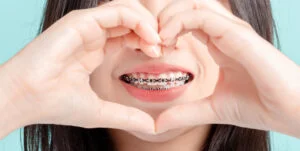
Do Braces Hurt

When braces are first fitted, you might feel some tightness or pressure. This sensation happens because the braces start working to shift your teeth into position. The adjustment period usually lasts a few days, during which you may notice sensitivity in your teeth and gums. Discomfort is most common around the brackets and wires, especially where they touch your cheeks and lips.

Why Braces May Cause Pain

Braces cause pain because they apply consistent pressure to move your teeth. This pressure can make your teeth and gums feel tender, especially during adjustments. The wires and brackets might also irritate the soft tissues in your mouth. While this can feel uncomfortable, it’s a sign that your treatment is progressing.

Simple Ways to Soothe Sore Teeth

Cold compresses for quick relief
Applying a cold compress to your jaw can reduce swelling and numb soreness. Wrap ice in a cloth to avoid direct contact with your skin.

Over-the-counter pain relief options
Pain relievers like ibuprofen or acetaminophen can ease tenderness. Always follow the dosage instructions and consult your orthodontist if unsure.

Avoiding crunchy or hard foods
Stick to softer foods like soups, mashed potatoes, and smoothies. This reduces pressure on your teeth and prevents unnecessary pain.

Protecting Your Mouth From Irritation

braces

Orthodontic wax can prevent brackets and wires from rubbing against the inside of your mouth. Apply a small amount to the areas causing discomfort. This creates a barrier and reduces irritation.

Keeping brackets and wires from causing sores requires regular checks. Ensure there are no sharp edges, and let your orthodontist know if adjustments are needed. Using a saltwater rinse can also soothe irritated areas.

Good oral hygiene helps reduce discomfort and prevent further irritation. Brushing and flossing carefully keeps food particles from getting stuck, which can worsen sensitivity.

Adapting Your Eating Habits

During the adjustment period, focus on soft foods that require little chewing. Soups, yogurt, mashed potatoes, and scrambled eggs are good choices. These options minimise pressure on sensitive teeth.

Avoid hard, crunchy, or sticky meals when soreness peaks. Foods like nuts, popcorn, and chewy candies can irritate your mouth or damage your braces.

Incorporate softer textures into your regular meals. Choose steamed vegetables, pasta, or rice dishes to keep your diet balanced while protecting your teeth and gums.

When to Reach Out for Help

  • Pain feels severe or doesn’t improve after a few days.
  • Wires or brackets feel too tight or cause significant irritation.
  • Regular check-ups are missed or adjustments are delayed.

Your orthodontist can make necessary changes to ease discomfort and ensure your treatment stays on track. Don’t hesitate to ask for help when something doesn’t feel right.

Alternatives for Braces

how does Invisalign work

Braces are not the only solution for achieving straighter teeth. Modern orthodontics offers several options that cater to different needs and preferences.

Clear Aligners

Clear aligners, such as Invisalign, offer a discreet way to straighten teeth. These removable trays gradually shift teeth into position without the need for brackets or wires. They suit individuals looking for flexibility, as they can be removed for eating and cleaning.

Lingual Braces

Lingual braces are placed on the back of your teeth, making them nearly invisible from the front. They work like traditional braces but provide a more discreet option. They can, however, feel less comfortable initially due to their placement.

Ceramic Braces

Ceramic braces function like metal braces but use tooth-coloured or clear brackets. This makes them less noticeable and a popular choice for those wanting a subtler look during treatment.

Retainers for Minor Adjustments

For small corrections, retainers can help realign teeth without the need for full braces. Your orthodontist may recommend them if only minor adjustments are needed.

Veneers for Cosmetic Adjustments

Veneers don’t straighten teeth but can create the appearance of a perfect smile. These thin shells cover the front of teeth, masking gaps or slight misalignments. They are a quick cosmetic solution rather than a functional treatment.

Choosing the right alternative depends on your specific dental needs and lifestyle. Your orthodontist can help you decide which option fits your goals.

FAQs About Braces

How long does it take to get braces put on?

The process of applying braces usually takes about one to two hours. This includes cleaning the teeth, attaching the brackets, and fitting the wires.

Can I still play sports while wearing braces?

Yes, you can play sports with braces. It’s recommended to wear a mouthguard to protect your teeth and braces from impact during contact sports.

Are there any age restrictions for getting braces?

There are no strict age limits for braces. While most people get them in their teens, adults can also benefit from orthodontic treatment.

Will braces affect my speech?

Braces may slightly affect speech during the first few days as your mouth adjusts. Any changes usually disappear once you get used to them.

Can I whiten my teeth while wearing braces?

Teeth whitening is not recommended with braces since the areas covered by brackets won’t whiten, leading to uneven results. It’s better to wait until after your treatment.

Do braces cause bad breath?

Braces can contribute to bad breath if food gets stuck around brackets and wires. Maintaining proper oral hygiene helps prevent this issue.

How often will I need to visit my orthodontist during treatment?

Most orthodontists schedule appointments every four to eight weeks to adjust braces and monitor progress. Your orthodontist will set a schedule based on your specific needs.

Can I eat ice cream or drink hot beverages with braces?

Yes, you can enjoy ice cream or hot drinks, but avoid extremes in temperature as they may temporarily increase sensitivity.

What happens if a bracket or wire breaks?

If a bracket or wire breaks, contact your orthodontist as soon as possible. They will fix the issue to keep your treatment on track.

Will I need a retainer after my braces are removed?

Yes, most people need a retainer after braces to maintain their new smile. Retainers prevent teeth from shifting back to their original positions.

Straightening Smiles At Dillon Orthodontics: Invisalign vs. Braces Showdown

Have you been wanting to start orthodontic treatment for your misalignment issue but are torn between the classic reliability of braces and the modern convenience of Invisalign? While these treatments both offer great benefits, they do have some differences that patients need to discover to make the best individual choice. Let’s compare Invisalign vs. braces—which should you get?

Invisalign vs. braces

Invisalign vs. Braces – The Key Differences

When it comes to choosing the right orthodontic treatment, understanding the fundamental differences between Invisalign and traditional braces is essential. Each option comes with its characteristics, and your choice can significantly impact your orthodontic journey.

1. Appearance

  • Invisalign: Invisalign clear aligners are virtually invisible. They are made from transparent plastic and fit snugly over your teeth, making them discreet and less noticeable in social and professional settings.
  • Traditional Braces: Traditional braces consist of metal brackets and wires. While advancements have made them smaller and more visually appealing, they are still visible in your mouth, and some people may opt for colorful bands to add a touch of personal style.

2. Comfort

  • Invisalign: Invisalign aligners are custom-made for your mouth, ensuring a comfortable fit. They have no sharp edges or wires that can irritate your cheeks and gums.
  • Traditional Braces: Traditional braces may initially cause some discomfort or soreness as your mouth adjusts to the braces. The brackets and wires can occasionally lead to minor irritations.

3. Maintenance 

  • Invisalign: Maintaining good oral hygiene with Invisalign is straightforward. You can remove the aligners to brush and floss your teeth as you normally would. Cleaning the aligners themselves is also simple.
  • Traditional Braces: Proper oral hygiene with traditional braces is essential, as food particles can get trapped around the brackets and wires. Special brushes and techniques may be required for effective cleaning.

4. Removability

  • Invisalign: One of the significant advantages of Invisalign is that the aligners are removable. You can take them out for eating, drinking, and special occasions, allowing for more dietary freedom.
  • Traditional Braces: Traditional braces are fixed in place throughout the treatment duration, so there are dietary restrictions to prevent damage to the braces and wires.

5. Effectiveness in Complex Cases

  • Invisalign: Invisalign is highly effective for many orthodontic issues, including mild-to-moderate cases of misalignment and spacing. However, it may not be suitable for severe or complex cases.
  • Traditional Braces: Traditional braces are renowned for their versatility and effectiveness in correcting even the most complex orthodontic issues. They can address severe misalignment, overbites, underbites, and more.

Invisalign vs. braces

The Types of Braces at Dillon American Orthodontics – A Closer Look

While we are considering Invisalign vs. braces for treatment, there are various types of braces available. Here is a list of the different types of braces that we offer and how they perform in correcting misalignments:

1. Metal Braces

Metal braces have been a trusted orthodontic solution for decades. They are known for their durability and effectiveness in treating a wide range of orthodontic issues.

Proven Track Record: Traditional metal braces continue to be a popular choice because of their proven track record of achieving exceptional results.

2. Damon Braces

Damon® braces represent a cutting-edge approach to orthodontics. They utilize self-ligation technology, which means they don’t require elastic or steel ties, reducing friction and increasing comfort.

Reduced Discomfort and Treatment Time: Patients often appreciate Damon® braces for the reduced discomfort they experience and the potential for shorter treatment durations, as fewer adjustments are typically needed.

3. Ceramic Braces

If you’re looking for a more discreet option, ceramic braces are an excellent choice. Made from translucent (clear) material, they blend in with your teeth, making them less noticeable.

Cosmetic Appeal: At Dillon American Orthodontics, we go the extra mile to ensure your ceramic braces remain as discreet as possible. We offer tooth-colored wires and ties that do not stain. Clear ties are occasionally used but come with guidance on avoiding staining.

4. Gold Braces

For those who want to make a bold statement, our 24-karat gold-coated stainless steel braces offer a stylish alternative. They combine the effectiveness of traditional braces with a touch of luxury.

Unique Aesthetic: Gold braces are a unique and eye-catching choice that allows you to express your personality and sense of style throughout your orthodontic journey.

5. Lingual Braces

Lingual braces are designed to be placed behind your upper and/or lower teeth, ensuring they remain virtually undetectable when you smile.

Customized for Every Patient: Our experienced doctors specialize in the placement of lingual braces. They are custom-made to fit your maxillofacial structure, ensuring both comfort and effectiveness.

The Benefits of Invisalign

In the Invisalign vs. braces battle, Invisalign has gained popularity for several compelling reasons, and we’re here to highlight the benefits that make it a preferred choice for many of our patients at Dillon American Orthodontics:

Invisalign vs. braces

  • Comfort and Convenience – One of the standout features of Invisalign aligners is their removability. Unlike traditional braces that are fixed in place, Invisalign aligners can be easily taken out when needed. This feature enhances comfort during meals and makes brushing and flossing a breeze, as there are no brackets or wires to navigate around.
  • Clear and Virtually Invisible: Invisalign aligners are made from transparent plastic, rendering them nearly invisible when worn. This means you can smile with confidence throughout your orthodontic journey without the self-consciousness that sometimes comes with traditional braces.
  • Ease of Maintenance: Maintaining optimal oral hygiene is crucial during orthodontic treatment. With Invisalign, you can maintain your regular brushing and flossing routine without any special tools or techniques. Simply remove the aligners, clean your teeth, and pop them back in.
  • Dietary Freedom: Invisalign aligners are removable during meals, granting you the freedom to enjoy your favorite foods without restrictions. There are no concerns about damaging brackets or wires, so you can savor all your favorite treats.
  • Reduced Office Visits: Invisalign often requires fewer in-office visits for adjustments compared to traditional braces. This can be a convenient factor for those with busy schedules, as you’ll spend less time in our office and more time enjoying your life.

Choosing the Right Treatment for You

Selecting the ideal orthodontic treatment is a significant decision, and it’s essential to approach it thoughtfully. How do you know you’re making the best choice in terms of Invisalign vs. braces? Consider the following factors and expert tips:

Consultation with Dr. Michael Dillon

Seeing our experienced orthodontic specialist, Dr. Dillon, for a consultation is the critical initial step in your orthodontic journey. He has perfected his skill in effectively assessing orthodontic needs over twenty years of practice.

Dr. Dillon will provide you with personalized recommendations based on your unique situation. Whether you’re considering Invisalign or traditional braces, you can trust his expertise to lead you toward the treatment that aligns perfectly with your goals.

Consideration of Orthodontic Needs, Lifestyle, and Preferences

  • Orthodontic Needs: Your orthodontic needs play a significant role in determining the most suitable treatment. Complex cases may benefit from the strength of traditional braces, while less severe issues may be well-suited for Invisalign.
  • Lifestyle: Consider how your chosen treatment will fit into your daily life. Invisalign offers convenience and flexibility due to its removable nature, while traditional braces require careful maintenance and dietary adjustments.
  • Personal Preferences: Your style and preferences matter. If you appreciate the aesthetics of clear aligners or enjoy customizing your braces with colors, factor these into your decision-making process.

Commitment to Treatment Requirements

Commitment to your orthodontic treatment is essential because it directly impacts the effectiveness and success of the process. Whether you choose Invisalign or traditional braces, staying dedicated to your treatment plan is vital to achieving satisfactory results.

Compliance requirements include dietary restrictions for braces, proper aligner wear and maintenance for Invisalign, and attending appointments for both. Consider these factors when making a choice.

Frequently Asked Questions (FAQs)

1. Choosing Invisalign or Braces – How Do I Decide?

Choosing Invisalign or braces depends on your orthodontic needs, lifestyle, and personal preferences. If you have mild to moderate misalignment and prefer a nearly invisible option, Invisalign may be ideal. For more complex issues like severe crowding, overbites, or underbites, traditional braces often provide better control. A consultation with Dr. Michael Dillon at Dillon American Orthodontics will help determine the best treatment for your specific case.

2. Invisalign vs Braces for Lower Teeth – Which Works Better?

Both Invisalign and traditional braces can effectively treat lower teeth alignment. Invisalign works well for mild to moderate crowding in the lower arch. However, if there is severe rotation or complex bite correction required, traditional braces may offer more precise tooth movement. Your orthodontist will evaluate your lower teeth alignment before recommending the right solution.

3. Invisalign vs Braces Comfort – Which Is More Comfortable?

Invisalign is generally considered more comfortable because it uses smooth, custom-made plastic aligners without wires or brackets. Traditional braces may cause temporary soreness after adjustments, and brackets can sometimes irritate the cheeks. However, modern braces, including Damon and ceramic options, are designed to reduce discomfort compared to older systems.

4. What Are the Main Differences Between Invisalign and Traditional Braces?

The key differences between Invisalign and traditional braces include:

  • Appearance: Invisalign is nearly invisible, while braces are visible.

  • Removability: Invisalign aligners are removable; braces are fixed.

  • Maintenance: Invisalign allows easier brushing and flossing.

  • Complex Case Handling: Braces are often better for severe or complicated orthodontic problems.
    Understanding these differences helps patients make a confident and informed decision.

5. Invisalign vs. Braces – Which One Should You Choose?

If aesthetics, flexibility, and fewer office visits are your priority, Invisalign may be the better option. If you need powerful correction for complex bite or alignment issues, traditional braces may be more effective. The best choice depends on your case complexity, commitment to wearing aligners (20–22 hours daily), and lifestyle preferences.

6. Invisalign vs Braces Effectiveness – Are They Equally Effective?

Both treatments are highly effective when used correctly. Traditional braces are known for their versatility in treating even the most complex orthodontic cases. Invisalign is highly effective for mild to moderate misalignment and spacing issues. The success of either option largely depends on patient compliance and following the orthodontist’s treatment plan.

Book an Appointment with Dr. Dillon

Transform your smile with confidence at Dillon American Orthodontics in Landstuhl-Ramstein, Germany. With Dr. Dillon’s Gold Level Invisalign expertise and over 25 years of orthodontic experience, we offer unparalleled care. Our commitment to patient satisfaction, efficient scheduling, transparent pricing, and the highest quality products ensure a superior orthodontic journey.

Trust in our American-trained team, familiar with US insurance and methods, and experience the difference in exceptional orthodontic care. BOOK AN APPOINTMENT TODAY!

How Much Do Braces Cost in Germany?

How much do braces cost in Germany? We’ll look at average costs in Europe. However, keep in mind the actual cost varies widely depending on each person’s unique smile. 

For example, some people may need only minor corrections, while others need extensive treatment. Also, there are a wide variety of advanced, modern braces today. While some people may choose Lingual braces that hide behind your teeth, others choose clear ceramic or traditional metal braces.

We’re also a top Invisalign provider, and Dr. Dillon’s experience allows him to treat cases for all ages with Invisalign in Landstuhl.

Dr. Michael Dillon, DDS, MS, provides outstanding custom orthodontic treatment for patients age seven to adults of any age. Since 1984, Dr. Dillon has helped thousands of people in Germany with custom orthodontic treatments like braces.

More Choices and Affordable Solutions

At Dillon American Orthodontic Care, you can expect more choices with the best technologies available. Before treatment begins, Dr. Dillon will discuss all options and design a plan to fit your goals and budget.

With affordable financing solutions from Dillon Orthodontic Care, you can get started without worrying about straining finances. If you prefer, you may pay in U.S. dollars or Euros for your convenience with a significant discount for payment in cash. 

Of course, we will also help maximize any insurance benefits if you have them. Our friendly, experienced staff will help file claims so that you can get the most of coverage.

Braces Cost in Germany 

As noted, the cost of teeth braces varies considerably for each individual. However, generally, the cost for traditional metal braces is comparable to Invisalign.

If you choose traditional metal braces in Landstuhl, Invisalign notes that the average cost may start from around €2,500 (Over $3,000 ) to around €5,000 (Over $6,000). Again, the actual cost may be higher if you choose other types of braces or need prolonged treatment. For some, they may only need minor corrections, costing less.

Notably, braces cost in Germany is comparable to the cost in the U.S., averaging between $3,000 – $11,000, according to U.S. News & World Report.

Thus, braces behind teeth cost is an investment but well worth it, with significant health benefits for a lifetime. Following treatment, and your teeth and jaws will be perfectly aligned, helping you avoid potentially serious oral health problems.

Of course, you’ll also have a stunning smile = priceless. Simply smiling more changes how a person and those around them feel every day.

As noted, at Dillon American Orthodontic Care, we offer many payment options, including monthly payments to fit your budget. So, please don’t put off the care you deserve, as getting started with braces behind teeth cost can be life-changing!

Free Smile Assessment – a $249 Value!

At Dillon American Orthodontic Care, we offer a free smile assessment for new patients. With a complete smile analysis, Dr. Dillon can determine if you are a candidate for braces or Invisalign, or other orthodontic treatment. Then, he will design a personalized custom plan to help you comfortably and efficiently achieve your dream smile!

To get started, book your complimentary consultation here. Today, you may also get started from home! Get your free virtual consultation here. With a virtual consult, you can find out if braces are for you, learn about affordable payment plans, and get the facts you need. Then, schedule your first in-person visit when you’re ready. Simple!

We hope this information about “How much do braces cost in Germany?” has been helpful.

Have questions? As always, we’re here for you at 06371-918911. Today, we’re taking extra steps to keep everyone safe.

Which Braces Work the Fastest? Dentist Answers With 4 Facts!

One of the main considerations when choosing braces in Landstuhl-Ramstein, Germany is how fast they will work. Some braces are designed to be quicker than others, so it’s important to know which braces work the fastest for you. And while it’s easy to just name one, there are a few considerations to take into account before choosing which braces work the fastest.

Types and Which Braces Work the Fastest

Traditional Metal Braces

Traditional metal braces are the most common type. They have been used in teeth straightening for many years. They are made of high-quality stainless steel and are strong and durable. Metal braces are also the least expensive option, which makes them a good choice for people who are looking for an affordable way to straighten their teeth.

AVERAGE TREATMENT TIME: 12-24 months

Clear Ceramic Braces

Clear ceramic braces are made of clear materials and are less visible on your teeth than metal braces. They are a good choice for people who are looking for a more aesthetic option. They are a little more expensive than traditional braces but are equally as effective.

AVERAGE TREATMENT TIME: 12-24 months

Lingual Braces

Lingual braces are also metal braces but placed on the back of your teeth and are not visible when you smile. If you don’t like brackets and wires that are immediately visible, you can opt for lingual braces. However, they can be harder to clean and are more expensive.

AVERAGE TREATMENT TIME: 12-24 months

Damon Brackets

Damon brackets are a type of metal braces that use self-ligating brackets. They allow the wire to slide back and forth within the bracket. No elastic or steel ties are used with Damon® brackets. This technology creates less friction and results in greater comfort for the patient. In addition, Damon® braces often reduce both treatment time and the number of required adjustments.

AVERAGE TREATMENT TIME: 9-15 months

Invisalign®

Invisalign is a clear, custom-made aligner that is virtually invisible. It is made of smooth, comfortable plastic that gently shifts your teeth into place. Invisalign is removable, which means you can eat and drink what you want during treatment. And since it’s nearly invisible, nobody will even know you’re wearing them unless you tell them.

AVERAGE TREATMENT TIME: 9-15 months

4 Facts to Consider About the Length of Treatment

#1 – You need to assess how severe the misalignment is.

Whichever type of braces you choose, your individual case will affect how long treatment takes. The severity of your misalignment will be the biggest factor in how long it will take to correct. In general, the more severe the misalignment, the longer it will take to treat.

Also, all braces work for mild to moderate cases, but not all are recommended for severe problems. For instance, Invisalign is not recommended for severe cases because it simply cannot move teeth as much as metal braces can.

#2 – You need to be willing to commit to treatment.

The average length of time for treatment is 12 months, but it can be as long as 24 months. And while Invisalign can be completed in as little as 9 months, the average treatment time is still 15 months.

This means that you need to be willing to commit to treatment in order to see results. For example, not attending your regular metal braces adjustment appointments will lengthen treatment time. Similarly, not wearing your Invisalign aligners for the recommended amount of time per day will delay the results.

#3 – You need to be patient.

You will not see results overnight, no matter which type of braces you choose, or which braces work the fastest in your opinion. The process of shifting your teeth takes time, so you need to be patient. Results will vary from person to person, but in general, it will take several months to see a noticeable difference.

And even though Invisalign is the fastest option, treatment can still take up to a year. So, if you’re looking for immediate results, braces are not the right choice for you.

#4 – You need to go to an excellent orthodontist.

The experience and skill of your orthodontist will have a significant impact on the length of treatment. A good orthodontist will be able to straighten your teeth faster than someone who is less experienced.

In addition, an excellent orthodontist will be able to give you a more accurate estimate of how long treatment will take. This is because they will be able to assess your individual case and determine which type of braces will work best for you.

Braces Doctor in Landstuhl-Ramstein, Germany

Which Braces Work the FastestIf you are looking for an excellent orthodontist in Landstuhl-Ramstein, Germany, look no further than Dr. Michael Dillon. Dr. Dillon is a highly experienced orthodontist for kids, teens, and adults. He offers a wide range of braces options, including metal braces, clear braces, and Invisalign.

Dr. Dillon has been delivering great results for over 20 years using each of the different types of braces. If you want a doctor you can trust, make Dr. Dillon the orthodontist for you and your family today.

Contact our office or schedule a consultation with us through our website. Dr. Dillon and his orthodontic team look forward to helping you achieve a beautiful, healthy smile!

Are Aligners Faster than Braces?

Clear aligners and braces are two unique dental choices with orthodontics in Landstuhl that individuals might think about while hoping to realign or fix their teeth. While the two offer similar objectives, individuals may not understand that both have various approaches to executing the goal. It is vital to know the main distinctions of clear aligners and braces in Landstuhl – the main contrast including the timeframe essential to accomplish fixed teeth.

Straightening your teeth is simple when you utilize orthodontics in Landstuhl treatment explicitly implied for you.

Packed and abnormal teeth aren’t simply unattractive and may make you have a humiliating outlook on your grin, yet they cause issues with keeping your teeth sound and clean. If you are looking for an invisible method for straightening your teeth, aligners might be ideal.

Today, we will go over clear aligners and braces and how long it requires for each to fix the teeth. Individuals considering both may find it advantageous to know which takes more time.


What’s in Store with Treatment?

The treatment ordinarily begins with a counsel that permits us to get to know you and your own exceptional grin needs. We then take impressions of your teeth and utilize these to make your aligner plate. You will wear these plates for around 22 hours every day and possibly eliminate them while brushing or eating. You will then, at that point, return to the workplace in half a month so we can make new aligners in Landstuhl for you.

We will give you information on what’s in store with your aligners treatment while coming in for appointments.

Clear aligners or braces: Which takes more time?

Clear aligners

Some might have known about them, while others might not have because they are still generally new to orthodontics in Landstuhl. Clear aligners offer a similar ultimate objective for patients seeking straighter teeth, yet their work is entirely different from conventional braces.

Aligners in Landstuhl

Aligners in Landstuhl

Clear aligners don’t have wires or groups to associate, however, instead. They go about as a transparent removable aligner to ensure that a patient is in charge. Like clockwork, you will return to the workplace to have new aligners made only for you. These aligners change during treatment, so they are continuously working to work on the appearance of your teethAligners in Landstuhl can fix your teeth faster than conventional braces. Most patients are finished with treatment in only one to two years, while traditional braces can take longer to three years to yield tremendous outcomes.

Clear aligners work essentially. The patient should constantly keep the aligners to accomplish the most extreme outcomes. Hence, patients find aligners a speedier and more practical choice for individuals who want a delightful, impeccable grin.

An unmistakable aligner attempts to apply strain to every one of the teeth together, instead of every individual tooth, as braces in Landstuhl do. Many individuals may not understand it. However, clear aligners commonly work a lot faster than that braces.


Braces

Getting braces as a technique for straightening the teeth has been around for a long time. Braces use wires to interface sections that are put on every tooth. The wire runs from one area to another in a request to fix every tooth individually. The section and wire combination comes down on every tooth, causing the regular shift.

braces-in-landstuhl

Braces don’t need to be changed by orthodontics in Landstuhl as regularly as aligners do. Since braces work to move every tooth individually, they require less consideration than clear aligners. Nonetheless, braces do expect that much more consideration be given to them during day-to-day cleanings. Clear aligners offer a faster outcome, while braces might take more time, the two plan to provide a straighter grain.

If you want to Know more about Are Aligners Faster than Braces,  Visit Dillon American Orthodontic Care. Located in Landstuhl-Ramstein, GermanyDr. Michael Dillon, and the entire staff want to help you to discover the best treatment.

Scheduling your First Appointment is simple — just fill out the Appointment Request form and submit it. Whether you are seeking treatment for yourself or a child or teen, Dr. Dillon offers Invisalign®traditional braces, and more.

Please check us out on Facebook and Instagram. Like our pages for news, tips, and information.

Braces-Friendly Foods to Enjoy Throughout Treatment

This time, we’re looking at braces-friendly foods in our blog.

While you are working on your smile, you can still enjoy many delicious foods. And, you can still enjoy treats, so it’s not as limited as you may think. 

By sticking to the general rules, you can help ensure your treatment goes as scheduled. Then, when your braces come off, you’ll have a perfect, healthy smile to be proud of for a lifetime! So, changing your diet during treatment is well worth the effort with a fantastic payoff.

By avoiding certain foods, you can avoid damaging your braces and maintain top oral health throughout treatment. First, we’ll look at the good stuff: Braces-friendly foods. Then, we’ll take a look at some foods to avoid.

Braces-Friendly Foods

Below, we’ve listed a sampling of foods to eat with braces. As you can, they’re soft. Plus, they don’t contain hard, sticky, chewy, or crunchy bits that can get stuck in brackets or loosen archwires.

  • Soups
  • Yogurt
  • Seafood
  • Soft fruit
  • Pancakes
  • Muffins
  • Puddings
  • Soft bread
  • Soft cheese
  • Cooked rice
  • Milkshakes
  • Cooked pasta
  • Oatmeal and grains
  • Scrambled eggs
  • Soft wraps and tortillas
  • Cooked and soft veggies
  • Soft desserts and cakes

As you can see, there are many delicious options and some sweet options for occasional treats. As always, be sure to rinse, brush, and floss after meals to avoid any problems. Since food particles can get trapped around braces, it’s essential to maintain oral hygiene.

Got a sweet tooth? The American Association of Orthodontists (AAO) recommends soft treats for the holidays like Halloween and Christmas.

For additional suggestions, there are lots of great recipes online for those who wear braces. Pinterest can help you find new recipes. Sometimes, we share braces-friendly foods and recipes on our social media pages. So, please follow Dillon American Orthodontics on Instagram and Facebook.

Which Foods to Avoid

Now, here’s an easy way to know what types of foods to avoid with braces. Generally, the problematic foods fall into the following categories:

  • Hard
  • Sticky
  • Chewy
  • Crunchy

Unfortunately, foods in these categories can damage braces. Then, you may need an emergency visit. So, it’s best to stick to the general rule to keep your treatment on schedule and avoid any setbacks.

In some cases, you can cook hard foods and enjoy them. For example, apples and carrots are fine when cooked or chopped finely.

Avoid Sugary Foods and Drinks

As common sense tells us, it’s always a good idea to limit foods and drinks. However, this is particularly true while wearing braces or Invisalign. Therefore, try to avoid sodas, including diet sodas, energy drinks, and sugary fruit juices.

Staining Foods and Drinks

Some foods can stain clear braces over time. Then, they may appear discolored and not as discreet as we would like. Thus, it’s best to limit or avoid them if possible.

Here are a few of the usual suspects:

  • Coffee
  • Tea
  • Red Wine
  • Beets
  • Curry
  • Currants
  • Mustard
  • Tomatoes
  • Grape Juice
  • Berries
  • Soy sauce
  • Grape juice
  • Balsamic vinegar
  • Some food colorings

Notably, these foods will also stain clear Invisalign aligners. It’s always best to take out aligners when you are eating or drinking. (Unless you are drinking plain water) Plus, you’ll need to avoid letting aligners touch hot liquids that can warp them.

Foods to Temporarily Avoid After Getting Braces

For a week or so after you get your braces, your teeth and gums can be more sensitive than usual. During this time, it’s a good idea to avoid foods like these:

  • Tough or crusty bread
  • Citrus and spicy foods can be irritating
  • Cuts of meat that are harder to chew
  • Ice cream if your teeth are sensitive to cold

Notably, some people are unusually cold-sensitive for a time. So, they might want to avoid ice cream and frozen yogurt, at least until they adjust to braces.

Braces-Unfriendly Foods

As we mentioned, foods that are hard, sticky, chewy, and crunchy are best avoided. Therefore, watch out for foods like the following:

  • Ice
  • Nuts
  • Chips
  • Popcorn
  • Hard tacos
  • Jawbreakers
  • Chewing gum
  • Hard crackers
  • Corn on the cob
  • Hard, sticky, chewy, chewy foods
  • Apples, carrots, hard veggies (unless sliced into small pieces or cooked)
  • Tough bread like bagels, pretzels, or pizza crust

Keep in mind; this is not a complete list. So, if in doubt, it might be better to avoid the food. 

If an item on this list is one of your favorites, consider it your reward when you complete treatment. Remember, braces are temporary, but a beautiful, healthy smile is forever. When treatment concludes, you can enjoy all your favorites again and enjoy your new smile!

We hope this information about braces-friendly foods has been helpful.

FREE Virtual Consultation from Home

Are you considering braces or Invisalign? Today, it’s never been safer or easier to get started from home. Plus, it’s free. Take a free virtual consultation from Dillon American Orthodontic Care.  

  • First, you’ll submit some photos of your smile. 
  • Then, our orthodontists will review your case carefully. 
  • Finally, we’ll reply with a recommended treatment plan. 
  • Schedule your first in-person consultation when you’re ready.

Importantly, you can get an estimate of cost and learn about affordable financing options. Thus, you can see nothing is preventing you from getting the care you deserve.

Get started with your free virtual consultation here. 

As always, we’re here for you at 06371-918911. Today, we’re taking extra steps to keep everyone safe.

Or, schedule a free in-person consultation here.